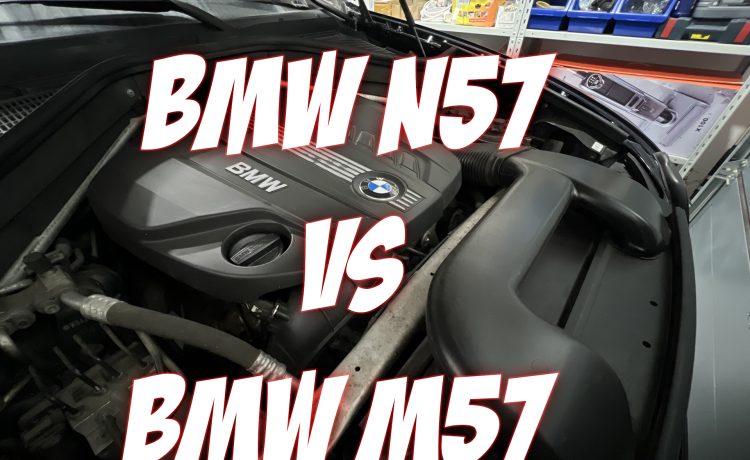
Between 1998 and early 2008, BMW relied on the venerable BMW M57 engine for many of its diesel‑powered cars. When the company introduced the N57 engine in 2008, it promised greater quietness, higher torque, and an upgrade in emissions compliance, which sounded exciting. But does the newer power plant truly outshine its predecessor? Both engines are ultra-high-performance with high tuning capabilities.
In this comparison guide, we will evaluate the details of both engines in terms of technical data, performance, efficiency, maintenance, and reliability, as well as last but not least, my personal reflection and owners’ feedback.
Are you ready for the comparison? Let’s move on.
Table of Contents
BMW M57 vs. N57: Engine Block Differences
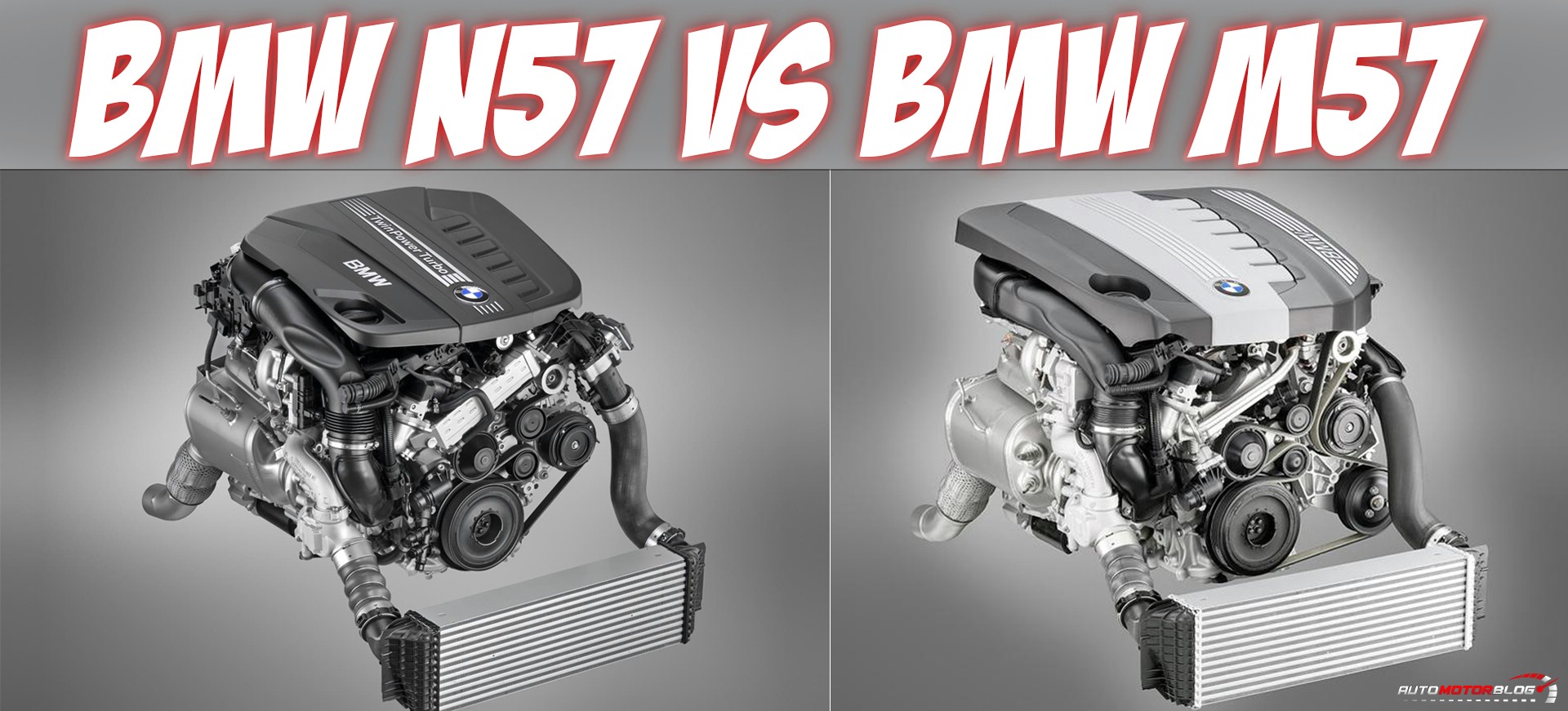
| Feature | BMW M57 Engine | BMW N57 Engine |
|---|---|---|
| Block Material | Cast iron (excluding the TU2 update, which is made of aluminum) | Aluminum (modified iron alloy) |
| Block Construction | 6‑cylinder inline-six engine | 6‑cylinder inline-six engine |
| Boring | 84 mm | 84 mm |
| Stroke | 88-90 mm | 90 mm |
| Compression Ratio | 18.0:1 to 16.5:1 and 17.0:1 to 16.5:1 | 16.5:1 |
| Weight | ~210 kg | ~150 kg |
What it means:
The M57’s heavier cast‑iron block delivers exceptional durability. It is a hallmark of many pre-2000 diesel engines. The N57’s lighter aluminum block reduces weight and improves cabin noise, performance, and efficiency, but it also demands more rigorous maintenance such as regular oil changes, gasket integrity, etc.
BMW N57 Engine (2008-2019)
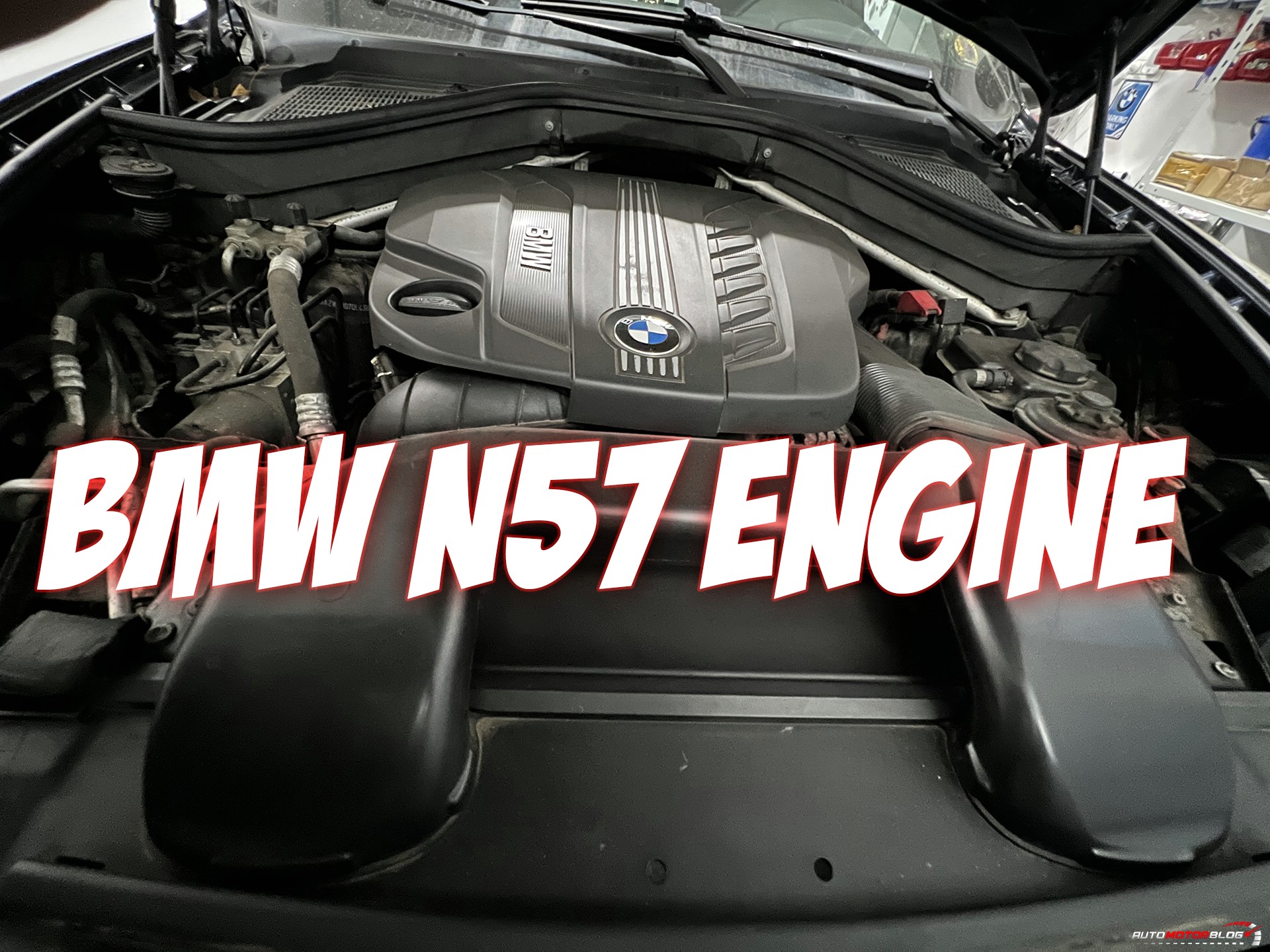
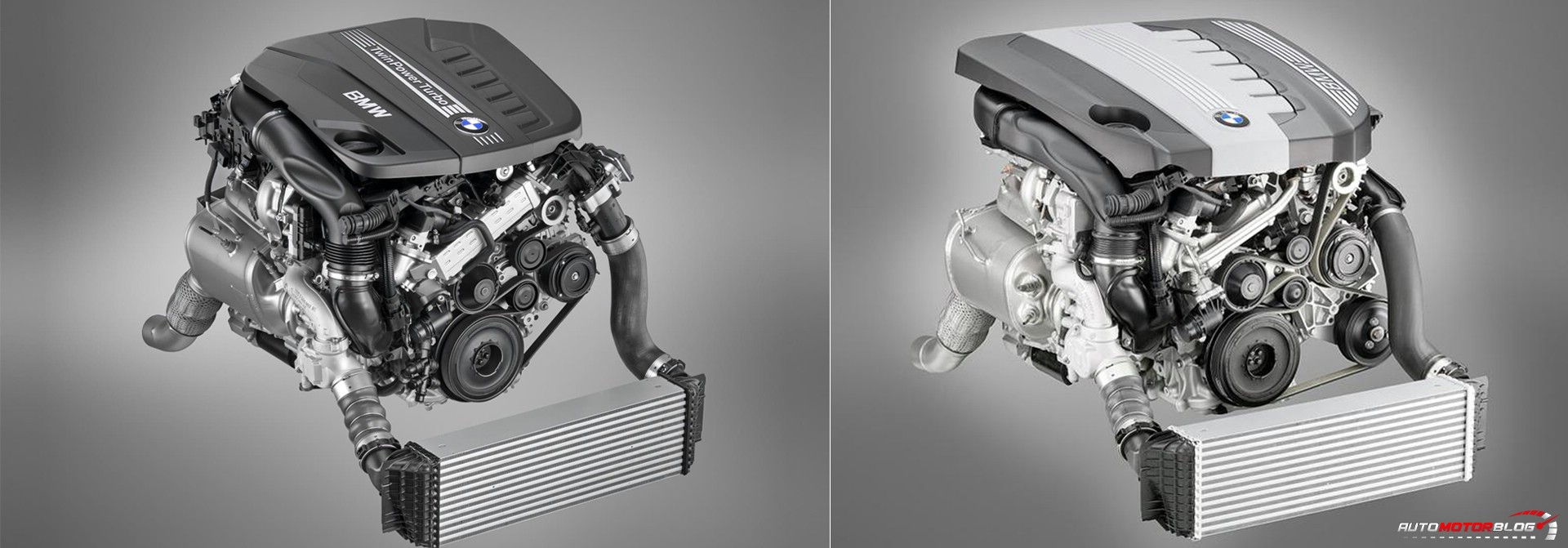
The BMW N57 is a 3.0-liter inline-six turbocharged power unit that was launched in 2008. The engine is turbocharged, has direct injection, and has a lightweight aluminum block. The N57 provides smooth performance with a high redline and incredible torque curves with a power output of between 201 and 375 hp.
The N57 powers a wide range of BMW models, such as the facelift E70 BMW X5 30d, E90/E91/E92 BMW 3-Series 330d, F01/F02 7-Series 730d, F10/F11 5-Series 530d, and more. The engine has a good reputation for reliability if maintained correctly. It is made in such a way that it saves weight, gives it better handling and performance, and increases comfort.
Major technologies that the N57 is using:
- Common Rail Direct Injection: It incorporates piezo-electric injectors of up to 2,000 bar (29,000 psi) pressure.
- Variable Geometry Turbocharging: Pulls variable vanes in the turbo to give a boost over a broader range of RPM and essentially simulates a variable performance.
- Multi-Stage Turbocharging: The 30d has a single turbo; the 40d has two turbos, and the top model, the M50d, has been equipped with three turbochargers to give it instant torque and spectacular top-range power.
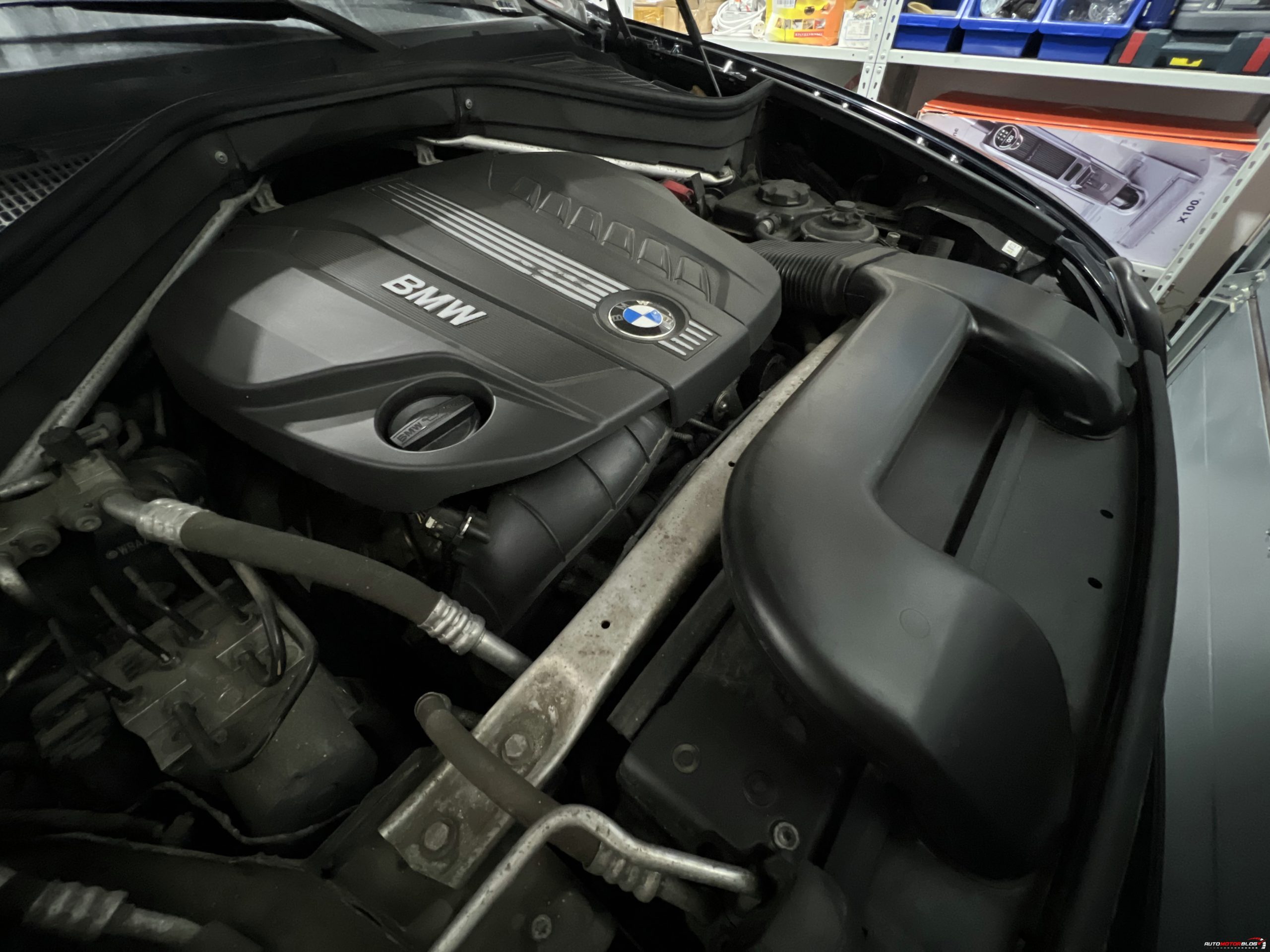
Specifications
| BMW N57 Engine: Specification | Value |
|---|---|
| Displacement | 3.0 L (2,993 cc) |
| Configuration | Inline-6, turbocharged |
| Turbocharger | Single, twin-turbo, or tri-turbo variable-geometry |
| Power | 150–280 kW (201–375 hp) |
| Torque | 450–740 N⋅m (332–546 lb⋅ft) |
| Fuel System | Common‑rail direct injection |
| Emissions Standard | Euro 5 |
Performance Highlights
- Smooth acceleration thanks to a high‑pressure common‑rail system.
- Low-end torque is the engine’s crown jewel; high torque is aplenty for city and highway driving alike.
- Quieter operation: the intercooler and redesigned intake manifold reduce intake noise by ~4 dB compared to the M57.
Reliability
- Overhead cam drive replaced the older gear‑drive system, reducing wear but making the timing chain more susceptible to rattling if not serviced.
- Water pump frictions: early N57s had a notorious water‑pump bearing failure rate of ~4 % in the first 130k km.
- Timing chain tensioner: a few reports of premature wear in early BMW N57s, though newer batches (2010–2013) improved.
BMW M57 Engine (1998-2008)
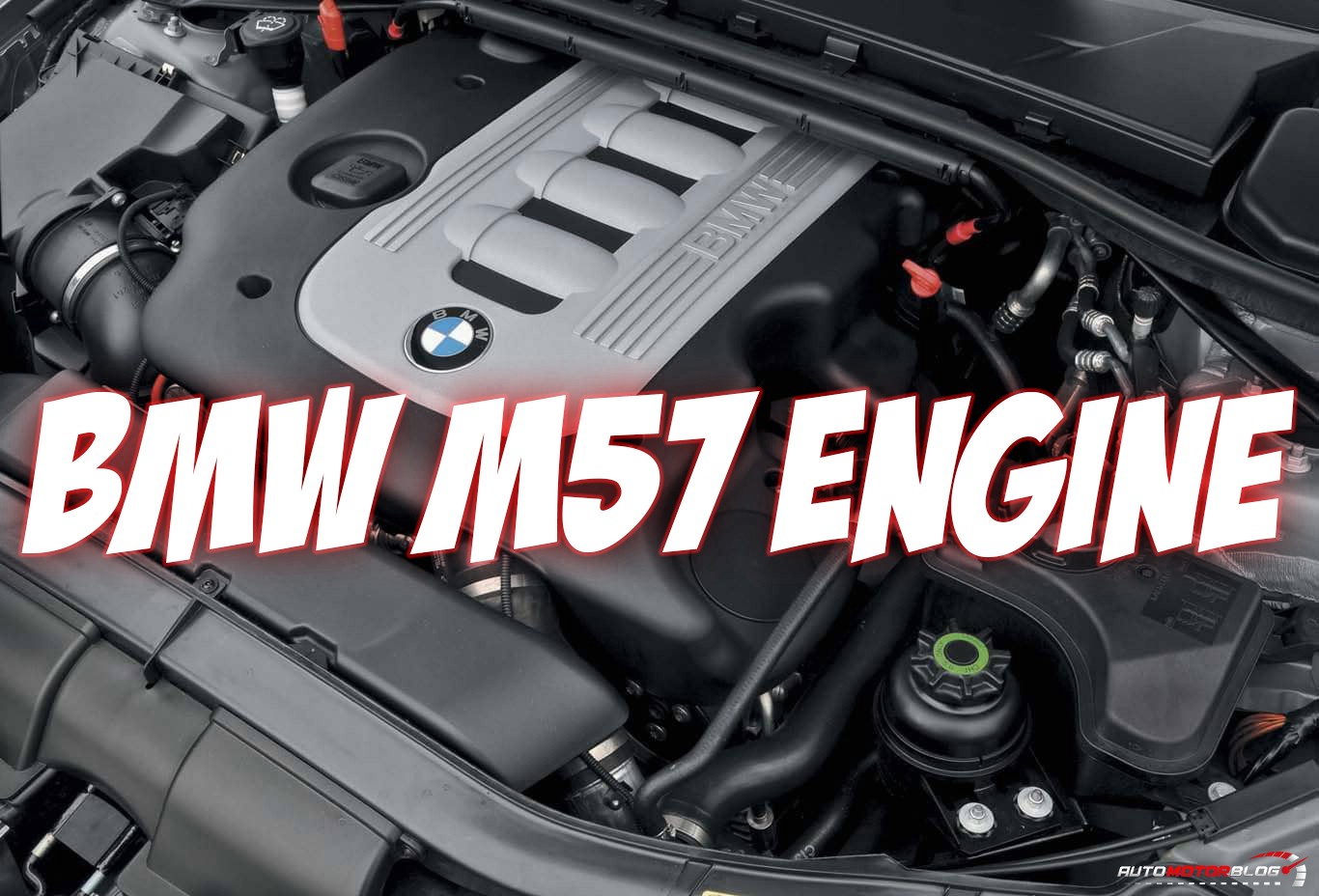
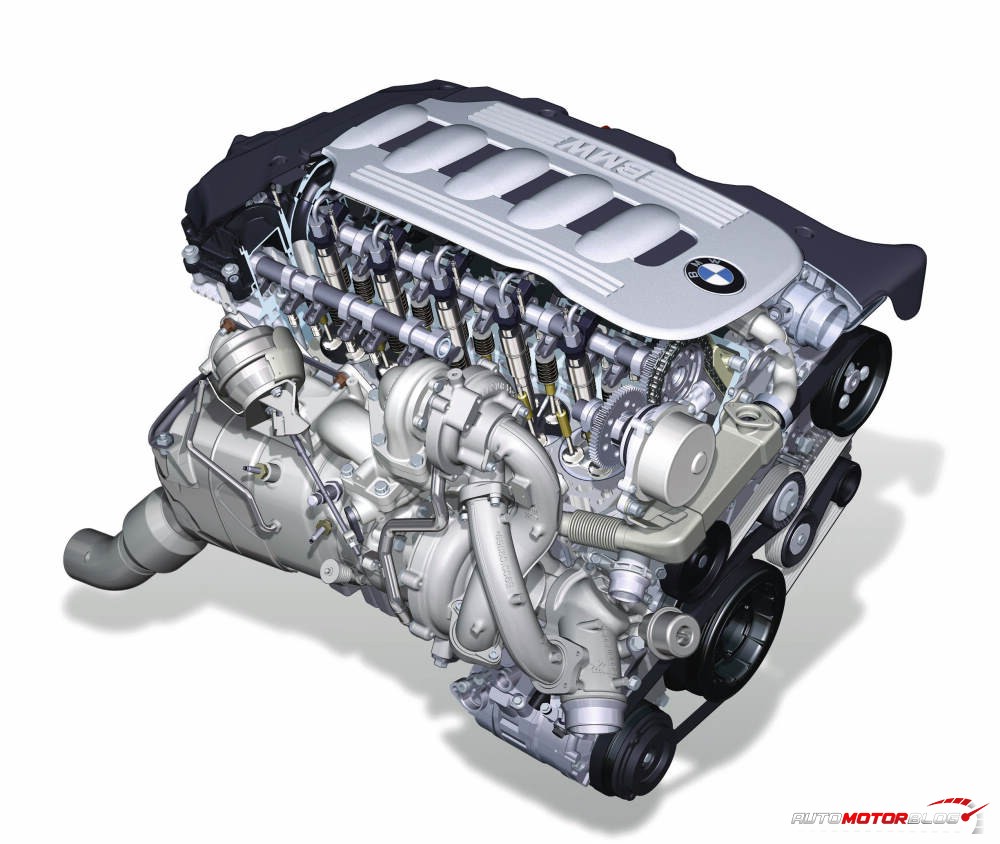
The BMW M57 engine, a famous 3.0-liter inline-six diesel engine, is considered to be bulletproof in its reliability, and it was first launched in 1998. It revolutionized the common rail to provide a fine power, first in a solid cast-iron block (later models added aluminum).
The M57 (184 to 286 hp) is also known as having an immense standard of torque and astonishing stamina, often going beyond 400k kilometers with regular servicing. It was used in the E53 and non-facelift E70 BMW X5, along with other BMW models such as the E46 3-Series E46 330d, E39 5-Series 530d, E60 5-Series 530d/535d, and E65 7-Series 730d.
Major technologies that the M57 is using:
Common Rail Direct Injection: It was one of the first mass produced engines to operate at pressures between 1,350 bar and 1,600 bar in later versions and used a high-pressure common rail system (Bosch).
Variable Nozzle Turbine (VNT): significantly decreases turbo lag and generates strong torque even when the engine is running slowly by manipulating the exhaust gas flow by changing vanes installed in the turbocharger.
Sequential Twin-Turbocharging: This technology has also been utilized in sequential twin turbocharging, in which the smaller turbo is used at low RPM and the larger turbo at high RPM. First used in the top models (including 535d/635d).
Specifications
| BMW M57 Engine: Specification | Value |
|---|---|
| Displacement | 3.0 L (2,497 cc / 2,926 cc / 2,993 cc) |
| Config. | Inline‑6, turbocharged |
| Turbocharger | Single or twin-turbo |
| Power | 120–210 kW (161–282 hp) |
| Torque | 350–580 Nm (258–428 lb⋅ft) |
| Fuel System | Common‑rail direct injection |
| Emissions Standard | Euro 3 (later Euro 4) |
Performance Highlights
- Smoothness: the six‑cylinder layout offers six power strokes per revolution, eliminating vibration and providing that classic “BMW diesel feel.”
- Higher red‑line torque: the power band sits higher, giving brisk mid‑range performance.
- Legacy sound: many enthusiasts love the distinctive exhaust note and the subtle “purr” of the BMW M57.
Reliability
- Intake timing: the older gear‑drive cam system is robust but can generate more noise at high RPM.
- Water pump: the cast iron block houses a robust water pump with a longer service interval (typically 160k km).
- Fuel injectors: the 140 bar pressurized common‑rail system is older but has a long record of reliability when serviced regularly.
The maintenance of these two engines is quite different, mainly because of the way they were designed. While the BMW M57 is renowned for its mechanical robustness (being considered “bulletproof”), the BMW N57 requires much greater attention to detail to prevent costly breakdowns.
Here is a detailed comparison of the maintenance schedule and weak points:
M57 vs. N57: Maintenance
| Section | BMW M57 Engine | BMW N57 Engine |
| Oil and filter changes | Recommended at 10-13k km. | Recommended at 10k km. |
| Timing chain | Front. Very durable; rarely needs changing before 500k+ km. | At the rear (towards the gearbox). Critical weak point. It is recommended to check/change between 150k – 200k km. |
| Swirl Flaps | Major problem. They can break and fall into the engine. It is recommended to cancel them (plugs) or replace the manifold. | Improved design, but soot deposits. Requires periodic cleaning of the manifold (decarbonization). |
| High Pressure Pump | Very robust (CP3). Resists medium quality diesel well. | More sensitive (CP4). Can produce metal shavings if weak diesel is used, destroying the entire injection system. |
| Crankshaft Pulley | The rubber cracks over time. It should be checked every 100k km. | Similar to the M57, it requires monitoring as it can leave the car on the road without an accessory belt. |
| EGR and DPF systems | Only on newer versions. The EGR is easy to clean. | All have DPF. Requires periodic regeneration on long trips and cleaning of the EGR cooler. |
Recommendations
For BMW M57 owners:
The greatest preventive measure is to test the intake valves. When the car has experienced more than 200k km, it is very crucial to ensure they are not loose in order to prevent damage to the engine. I will suggest that you take out the intake flaps and put in special aftermarket plugs so that you will not experience any future problems. As well, the vacuum hoses become old and break. The vacuum hoses are also supposed to be replaced with new ones (OEM not aftermarket, to be safer and have a longer life).
For BMW N57 owners:
The number one priority is to listen to the sound of the engine’s timing chain when cold. Since the timing is at the back, the labor to change it involves removing the engine or gearbox, which is very expensive. An oil change at short intervals (10k km) considerably extends the life of the plastic chain guides, thus extending the lifespan of the engine. I recommend that on BMWs with the N57 engine, the timing kit be changed at 300k km, along with the oil pump (not necessarily OEM).
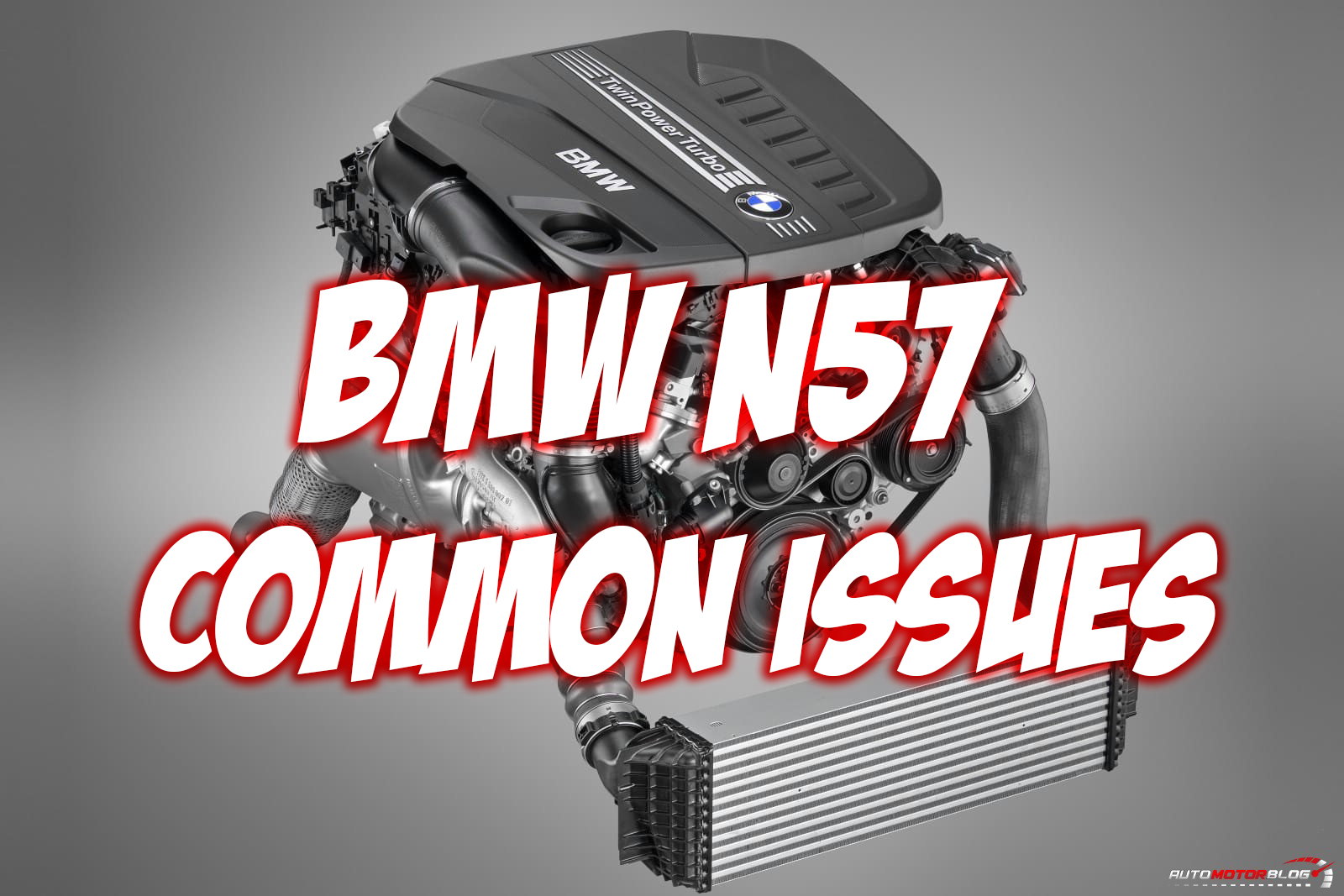
Common Issues of BMW N57
1. Wear and Failure of Timing Chains
The BMW N57 issue that is the most “famous” of all the issues is this one. Because the timing chain is situated at the back of the engine, facing the cabin, it is difficult to perform an inspection on it. As time passes, the chain will either stretch or the guides will become less effective.
How can you detect if the timing chain has issues? When the engine is at rest or between 1,500 and 2,000 rpm per minute, a “shuffling” or “scraping” sound that is consistent is a danger indicator. There is a possibility that the engine will be completely ruined in the event that the chain breaks.
2. The High Pressure Fuel Pump (HPFP) has failed to function properly
Power for the BMW N57 comes from the Bosch CP4 pump. It is diesel fuel that is used to lubricate this pump. It is possible for the pump to “self-destruct” and release microscopic metal shavings if you use fuel that is not up to par or if you accidentally misfuel that pump.
Due to the “Shrapnel” effect, all six fuel injectors are destroyed by these shavings as they move throughout the fuel system. This necessitates a fuel tank flush to be performed.
3. Intake Manifold Carbon Buildup
Within the intake manifold, the combination of oil vapor and exhaust gas recirculation (EGR) results in the formation of a very thick muck that resembles soot.
Errors described as “Drivetrain Malfunction” are among the symptoms, along with jerky performance and harsh idle.
Either manually cleaning the intake ports and manifold or administering a treatment known as “Walnut Blasting” is the solution.
4. EGR Problems
Because the EGR cooler has an internal crack, there is a possibility that coolant may be pulled into the engine or that it will leak to the hot parts of the engine.
Because of this known fire hazard, BMW has issued a recall that affects a large number of vehicles all over the world.
The coolant is starting to evaporate, yet there are no leaks that are readily apparent on the ground.
5. Crankshaft Vibration Damper (Pulley)
The primary pulley that is located in front of the engine is made up of two metal components that are linked together by rubber. Over the course of time, the rubber will deteriorate and crack.
Symptoms include a squeaking sound, a smell similar to burnt rubber, or its physical falling off of a pulley, which results in the unexpected death of the alternator and the power steering.
6. Clogging or Leaking Swirl Flaps
Because of the accumulation of carbon, even the N57 flaps, which are more durable than the M57 flaps that came before them, become jammed. In addition, the seals on the flap rod can begin to leak oil onto the side of the engine block.
7. Gaskets for the housing of the oil filter and on the valve covers
As a result of the heat, the rubber gaskets become brittle, which is a phenomenon that occurs throughout virtually every BMW engine.
One of the potential dangers is that oil could seep onto the auxiliary belt if there is a leak in the housing of the oil filter. In the event that the belt becomes dislodged, it has the potential to attract itself into the engine by way of the front main seal and the crank pulley.
8. Wear on Rod Bearings
Premature rod bearing wear has been reported in certain N57 engines, particularly the 40d and M50d high power variants; however, this phenomenon is less common than it is with the S65/S85 M-engines.
The “long-life” 30k-kilometer oil change schedules are frequently suspected to be the cause of this issue. Keeping oil changes to a maximum of 10k kilometers is the most effective defense.
9. Diesel Particulate Filter (DPF) that is clogged with debris
If the vehicle is driven mostly in urban areas, the diesel particulate filter (DPF) will not be able to attain the temperature required for regeneration.
Among the symptoms are power outages and warnings coming from the “Particulate Filter” on iDrive.
10. Glow Plugs and Controller Failure
At regular intervals, either the plugs or the light plug control module will fail to function properly.
The impact is that the vehicle will not be able to perform the regeneration of the diesel particulate filter (DPF) if there are current problems in the glow plug system. Additionally, the cold-starting performance is poor.
Common Issues of BMW M57
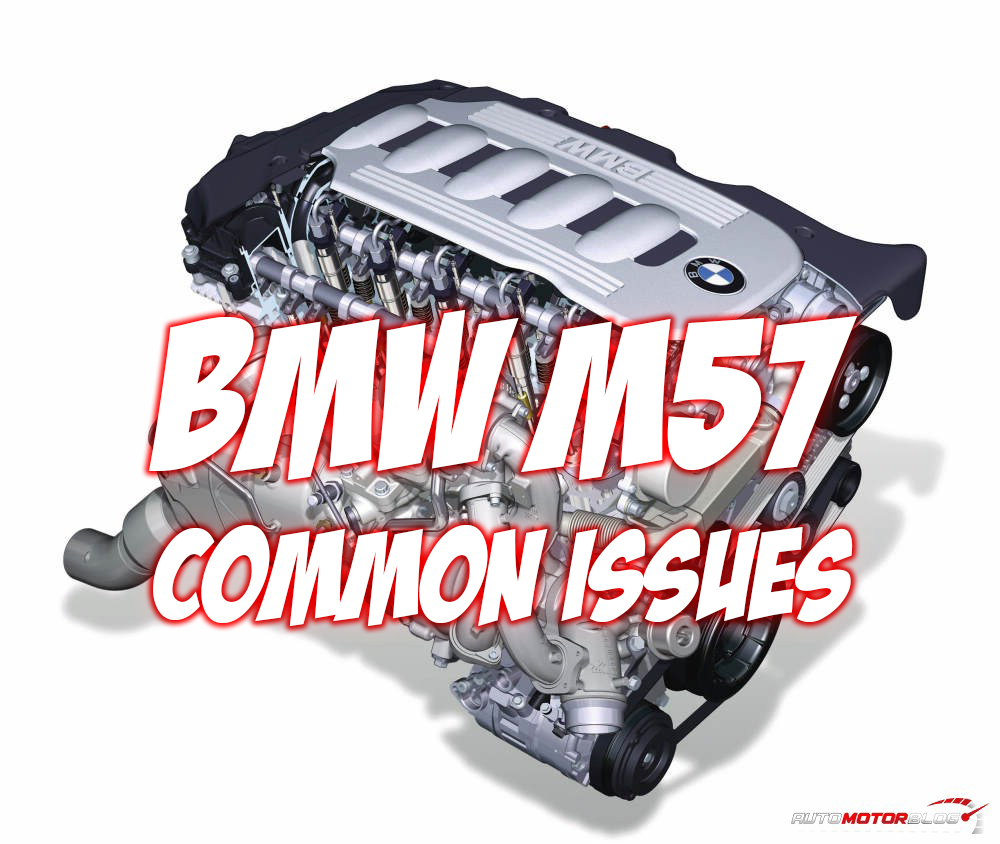
1. Swirl Flap Failure
One of the most common problems with the BMW M57 engine is the swirl flap failing on older models.
Among the most infamous M57 problems. Metal swirl flaps used in the intake manifold by some engines (mostly those manufactured before 2007) have the potential to shatter and, if consumed, cause severe damage to the engine.
Fix: I recommend canceling the flaps and installing a special kit with plugs in place of the flaps.
2. Chunks of Carbon Clogging the Intake Manifold
Heavy carbon deposits in the intake manifold are caused by diesel soot and EGR gases, which limit airflow and reduce performance.
Signs: Decreased power, delayed throttle response, and harsh operations.
Fix: EGR adjustments or periodic intake cleaning. I recommend that you clean the EGR and intake manifold every 30k km.
3. Issues with the EGR Valve and the Cooler
Damage to or blockage of the EGR system might trigger engine management alerts and put the vehicle into limp mode. Internal leakage can also occur in EGR coolers.
Signs: Idle problems, elevated emissions, and the presence of the check engine light.
Fix: EGR deletion (where permitted by law), cleaning, or replacement of components.
4. Faulty Thermostats
Both the main and exhaust gas recirculation thermostats might fail in BMW M57 engines. They are nearly useless in the “open” role.
Signs: This is a dangerous situation because the DPF regeneration won’t happen unless the engine temperature reaches 75–80 degrees Celsius.
The outcome is a reduced engine life due to a clogged DPF. Keep an eye on the coolant temperature at all times by using the secret menu.
Fix: Change the thermostats; OEM parts are recommended.
5. Turbine Oil Consumption
BMW M57’s turbos are known for their durability, however, they might experience issues like worn bearings or variable geometry sticking after a certain amount of miles.
Signs: Whining, lack of boost, and smoke while under load are symptoms.
Fix: A rebuilt or replaced turbo is the fix, and keeping the oil changed regularly will keep it from failing. Change the engine oil every 10k km and not at 30k, as the manufacturer recommends.
6. Failure of the Glow Plug and the Control Module for the Glow Plug
If left in the cylinder head for too long, a glow plug might seize, which is a common failure.
Signs: Warning lights and cold start issues are symptoms.
Fix: Swap out the control module and glow plugs at the same time. You can buy aftermarket ones (BERU is a reputable brand).
7. Failure of the Crankcase Ventilation System
A buildup of debris in the early vortex-type breathers causes crankcase pressure and oil consumption to rise with time.
Sign: Turbo seal damage and excessive oil consumption are symptoms.
Fix: To fix that, you need to get one of those later fleece breathers.
8. HPFP (High-Pressure Fuel Pump) Deterioration
Fuel pressure difficulties are common on engines with increased mileage.
Signs: Difficulty starting, hesitancy, and error codes.
Fix: Swap out the pump and fill up with premium diesel.
9. Failed Injectors
Engines running on low-quality gasoline can accelerate the wear and tear on piezo and solenoid injectors.
Signs: Misfires, rough idling, smoke, and fuel knock are symptoms.
Fix: Injectors should be tested and replaced as necessary.
10. Cracked Exhaust Manifold
A manifold made of stainless steel, which might shatter when subjected to high temperatures, was utilized by later BMW M57 engines.
Signs: Extra turbo lag, soot markings surrounding the engine compartment, and an odor of exhaust fumes inside the cabin.
Fix: I recommend that you swap out the stainless steel manifold for a longer-lasting cast iron one, found in the E39 BMW 5-Series 530d.
11. Crankshaft Pulley (Harmonic Balancer)
The rubber of the crankshaft pulley deteriorates after 200k km and can crack with time.
Signs: A complete failure of the alternator belt, a sluggish steering wheel, or chirping sounds could be an indication of this.
Fix: Change the crankshaft pulley with a new one. You can also buy an aftermarket one if you don’t want to spend more money on the OEM variant. Corteco is recommended if you opt for an aftermarket variant (Corteco produces OEM-quality crankshaft pulleys and engine mounts).
Fuel Efficiency
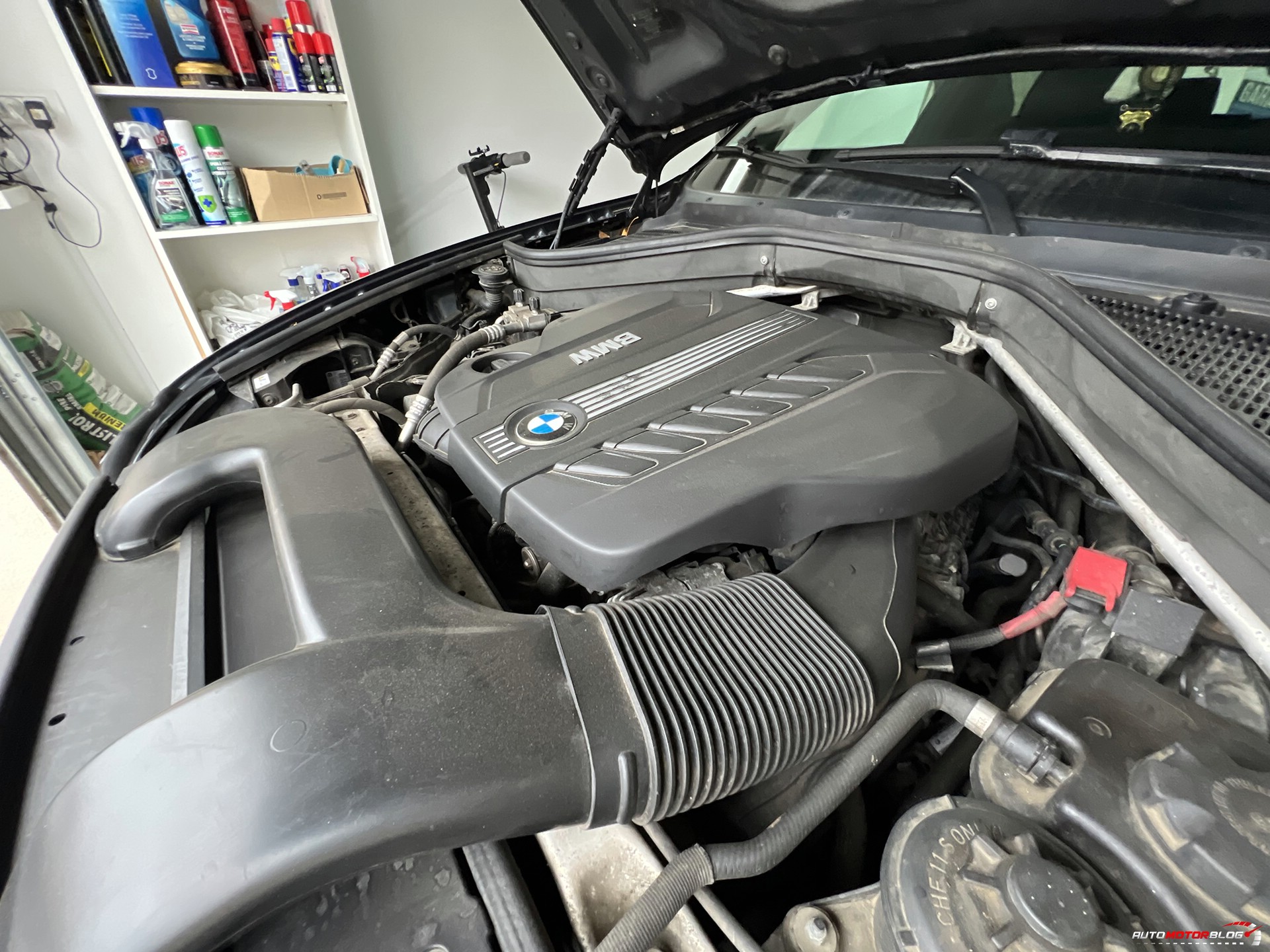
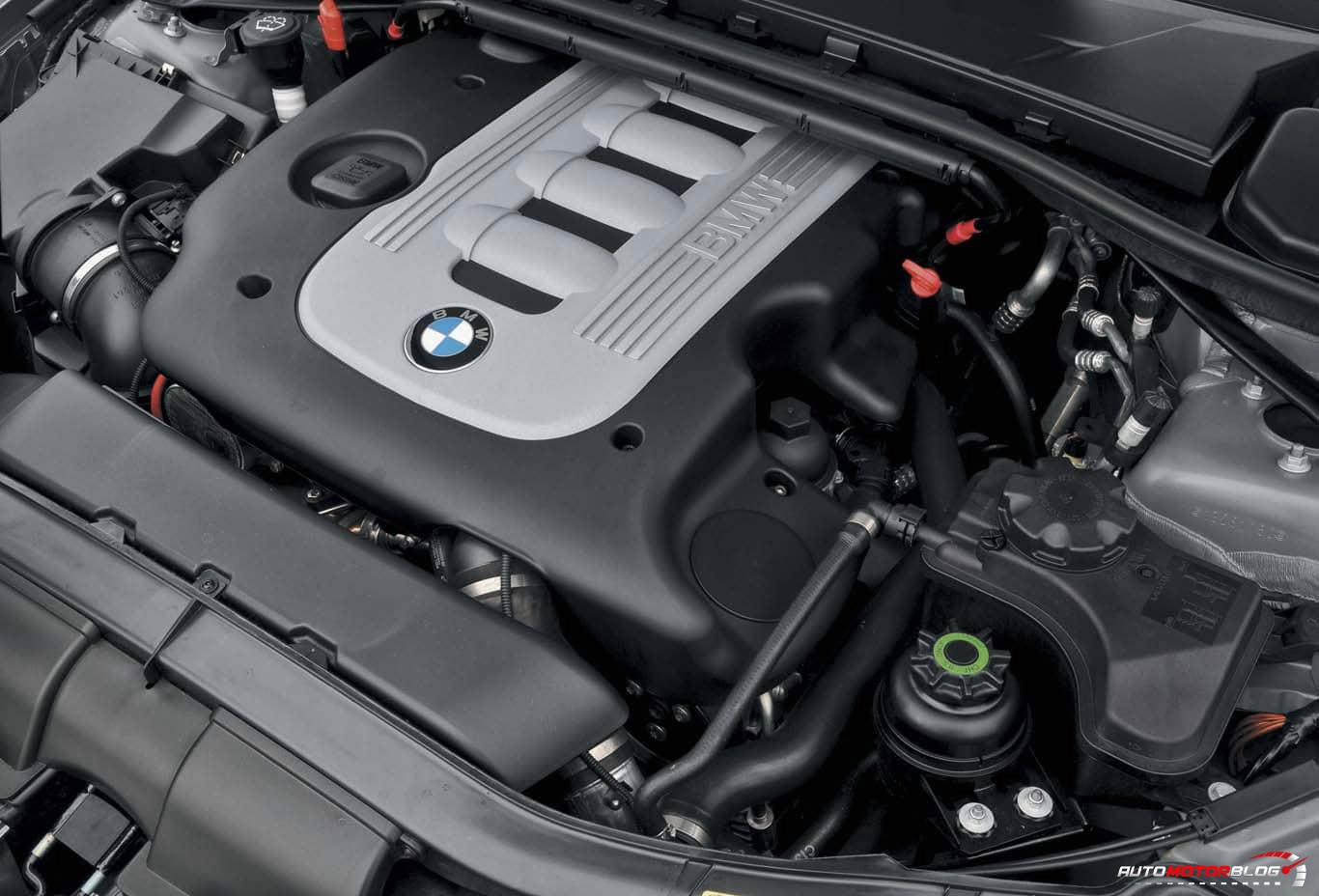
The BMW M57 and its contemporary equivalent, the N57, show how the engineering evolution of the process of making an incremental change can deliver real fuel-saving benefits across-the-board usage.
As an example, I compare the F10 BMW 5-Series 530d (powered by the N57 engine) versus the E60 BMW 5-Series 530d (powered by the M57 engine) for fuel efficiency. The BMW M57 has a mileage that is roughly 9-10 liters in the urban areas and 5-6 liters on the highways, respectively 7 liters in mixed use.
Compared to the M57, the combined economies of approximately 5.5 liters per 100 km of the N57 indicate the effect of developing the BMW engine on the real-world fuel economy and low CO2 emission of the same model. The modern technology of the N57 in terms of combustion, better emissions, and weight saving makes it a much more efficient choice.
The increase in fuel consumption for the BMW M57 compared to the N57 engine is because the transition to the life of Euro 5/6 compliance, the introduction of sophisticated turbocharging with variable geometry, a light engine block, and the perfecting of electronic fuel-delivery systems combine to take a quarter to a third off the fuel burn.
Although both engines are still rated as providing significant long-range capability, customers have consistently reported long-range capability of 1,000 km and above at steady-state highway speeds. Driving in urban environments and shorter routes is still characterized by greater consumption; even then, the N57 is still doing better than the M57.
| Engine Codes | City (liters/100 km) | Highway (liters/100 km) | Combined (liters/100 km) |
|---|---|---|---|
| BMW M57 | 9-10 | 5-6 | 7 |
| BMW N57 | 6-7 | 4-5 | 5.5 |
The BMW N57 engine sits ahead with approximately 2 liters lower consumption than the M57. For drivers who spend most of their time behind the wheel, this translates to a noticeable reduction in fuel costs over the life of the vehicle.
Personal Reflections
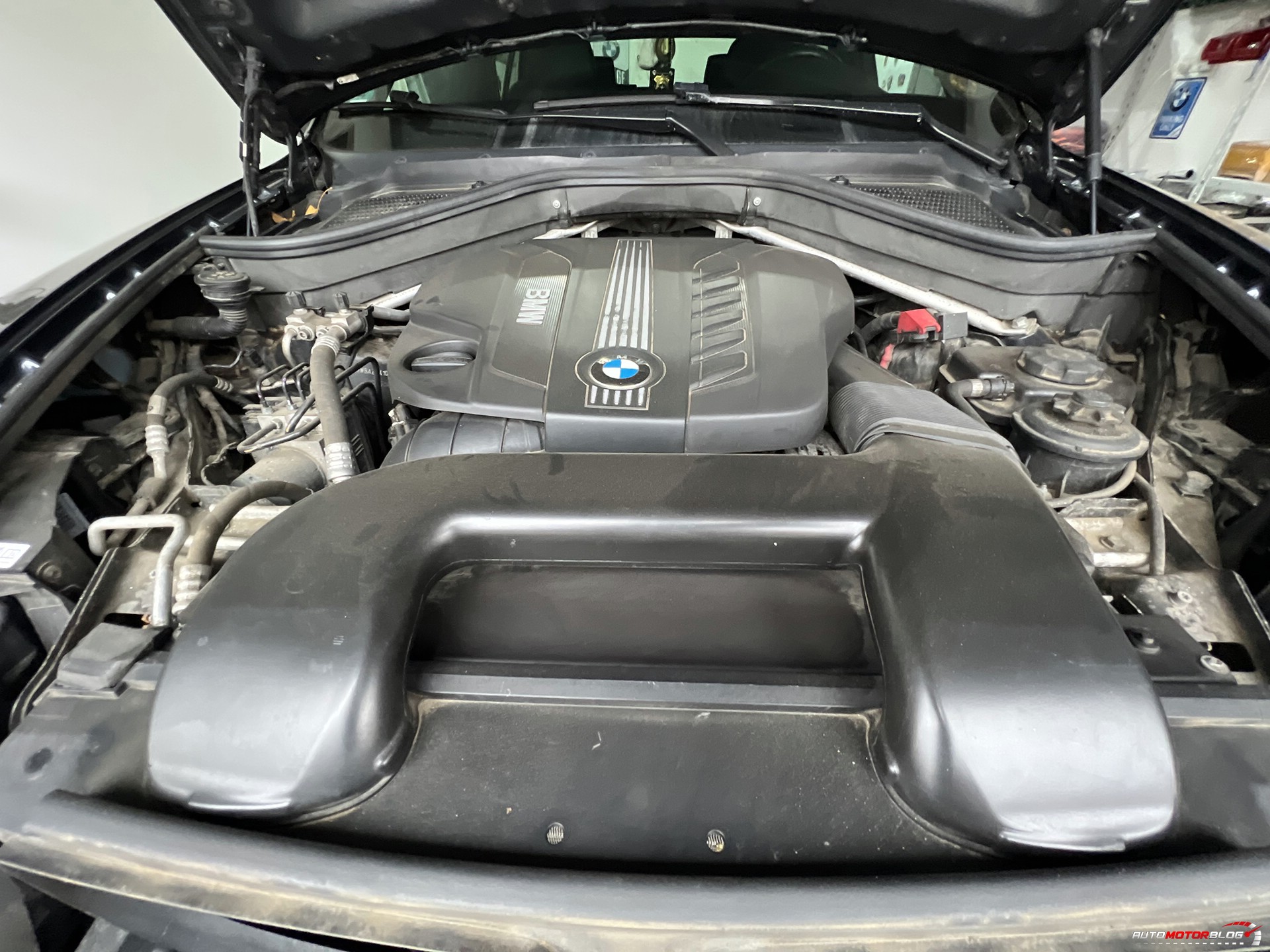
I have always liked BMWs, especially the models equipped with reliable engines that require normal maintenance (oil changes, filters) and minimal major interventions to keep the car in working condition over time.
Both engines are exceptional! I own a BMW X5 xDrive 30d with the M-Sport package, featuring the BMW N57 engine with 245 horsepower. The car currently has almost 300k km, and I can tell you that it is in impeccable condition, both aesthetically and technically.
The N57 engine on it is very efficient and silent at low revs, but when you step on it, it emits a brutal sound from the front. I am sure that is because the distribution is placed behind the engine and not in front, as it is on the BMW M57 engine. There are many cars with the BMW N57 engine for sale, and many of them have over 400k km without changing the timing chain.
My recommendation is that if you own a BMW with this engine, N57, I recommend that at 250k – maximum 300k km, you change the complete timing kit, along with the oil pump and engine bearings. Last but not least, check all the injectors, as well as the bearings.
What to choose between the BMW N57 and the BMW M57?
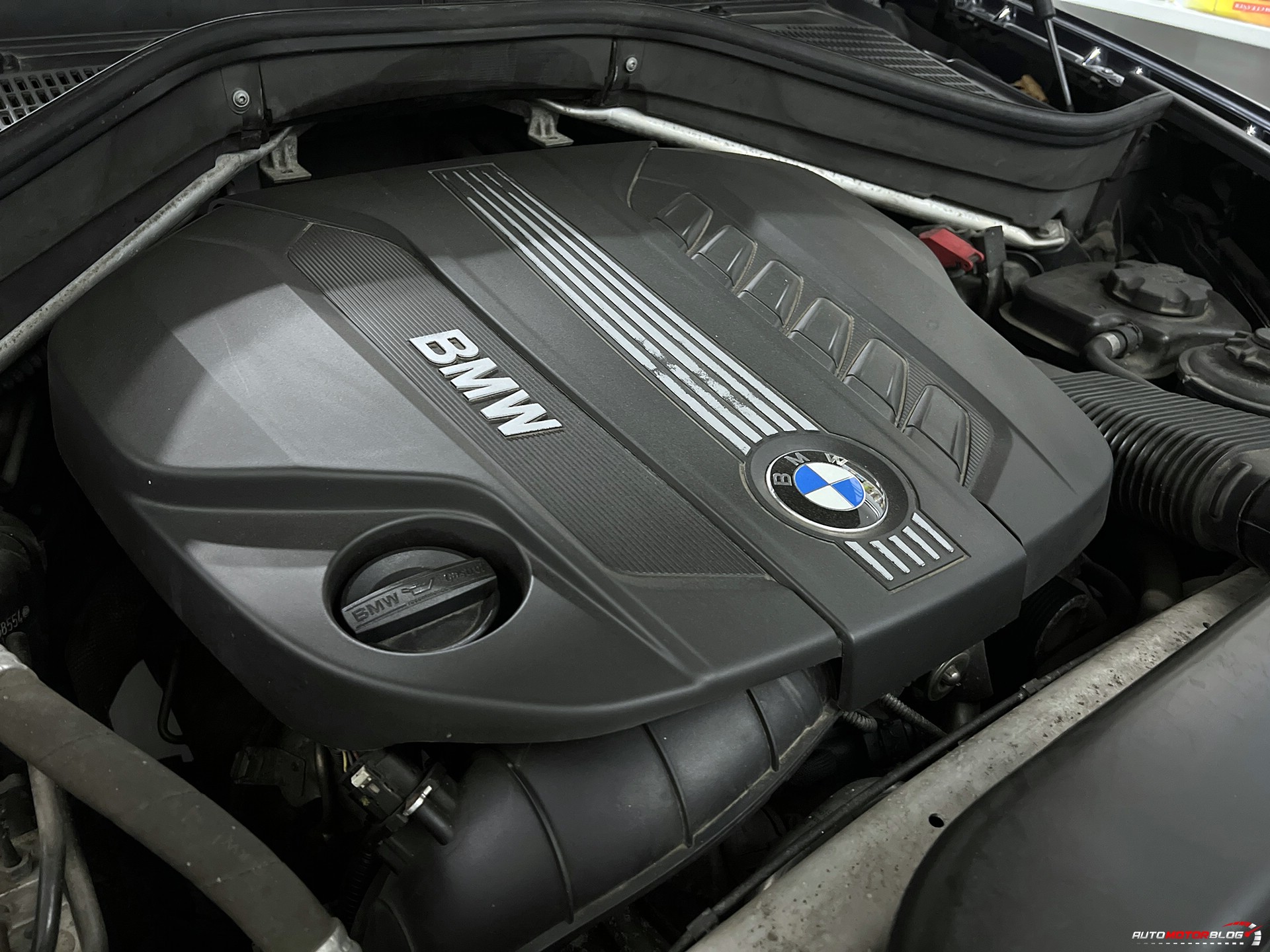
My opinion is that if you want less hassle and to keep more money in your pocket, choose the BMW car with the BMW M57 engine because it has the timing mounted in the front and the chain is extremely resistant. These engines reach 1 million km with the original timing, and in extremely rare cases, the chain breaks. You will save a lot of money on this side, because it is no longer necessary to change the timing chain and the oil pump; they are “bulletproof.”
If you want a more rudimentary but “bulletproof” engine, opt for the M57. You will have higher fuel consumption, as well as lower performance than the N57, but overall, you will be calm that you will not have problems with timing failure and ultimately with engine destruction.
If you want a more modern, quieter engine but with lower fuel consumption and higher performance, then opt for the BMW N57, with my advice to change the parts mentioned above at a maximum of 300k km. So, you will prepare the car for a long life of at least 200-300k km before you have to intervene again on the timing belt, oil pump, etc.
Basic maintenance of these engines is very important! I recommend changing the oil and filters every 10k km and not 30k km as the manufacturer says. Because oil changes are made at very long intervals, they accelerate the deterioration of the timing belt and ultimately the destruction of the engine.
Change the oil at a maximum of 1 year and a maximum of 10k km, and enjoy the technology and performance of your BMW for many years without headaches.
Owners’ Feedback
“I’ve had my 530d for 12 years, and it still runs like a champ. The M57’s torque is unbeatable when I’m towing my camper or flatbed trailer.” – Mark, 54, California, USA
“After replacing the N57’s water pump at 65k miles, my 535d feels like new again. The engine’s quieter, and I’ve noticed better fuel economy.” – Lisa, 38, New York, USA
“I’m torn between the 530d and the 535d. The M57’s six cylinders deliver a unique sound that I can’t quite put into words. The N57’s efficiency and performance are tempting, but I doubt I’ll miss the engine note.” – Alex, Wien, Austria
“I own a 2012 BMW X6 xDrive 30d with the 245 horsepower N57 engine and I am extremely happy with the choice I made. I bought the car new and I still enjoy the performance and efficiency of this engine. The car has 175k miles.” – Allan, 35, Chicago, USA
“I own several BMWs, some of which are equipped with the engine codes N57 and M57, respectively. What I can say is that both are excellent engines, only that the N57 requires additional maintenance (changing the timing kit, etc.), which is not necessary for the M57, only in extremely rare cases. Bravo BMW, both engines are exceptional!” – Stephan, 29, Berlin, Germany
What do others say about these engines?
- https://www.reddit.com/r/Diesel/comments/190tnj3/bmw_m57_advice/
- https://www.reddit.com/r/BMW/comments/15kmzkr/diesel_bmw_owners_is_the_n57_a_better_engine_than/
Conclusion
Choosing between BMW’s M57 and N57 engines depends on what you value most:
- If you cherish classic diesel robustness, a distinctive six‑cylinder sound, and a longer proven service life, the BMW M57 engine is the clear winner.
- If you prioritize lower fuel consumption, a quieter cabin, and a lighter, more modern powertrain, the BMW N57 engine is the smarter bet.
Both engines are capable, reliable, and well‑suited to the BMW ethos of driving enjoyment. The real decision boils down to whether you’re more excited by the “feel” of a heritage engine or the technical advances of a newer generation. Either way, you’re in for an excellent driving experience.
References
- https://en.wikipedia.org/wiki/BMW_M57
- https://en.wikipedia.org/wiki/BMW_N57
- https://en.wikipedia.org/wiki/Engine_block
- https://en.wikipedia.org/wiki/Turbocharger
- https://www.pistonheads.com/gassing/topic.asp?h=0&f=72&t=2002762
- https://www.e90post.com/forums/showthread.php?t=1601976
- https://www.reddit.com/r/Diesel/comments/190tnj3/bmw_m57_advice/
- https://www.reddit.com/r/BMW/comments/15kmzkr/diesel_bmw_owners_is_the_n57_a_better_engine_than/