It is winter and as such, there are the hassles of making our cars fit in the imminent attack of frosty mornings and icy streets. As the cold is about to set in, we are about to listen to the voices of experience and wisdom. A vehicle that fails in such situations is inconvenient at best and unsafe at worst. And take it as your action plan: Outfit your car to deal with the cold and you will go through winter like it was sunshine that does in summer.
Table of Contents
Prioritize Your Tires
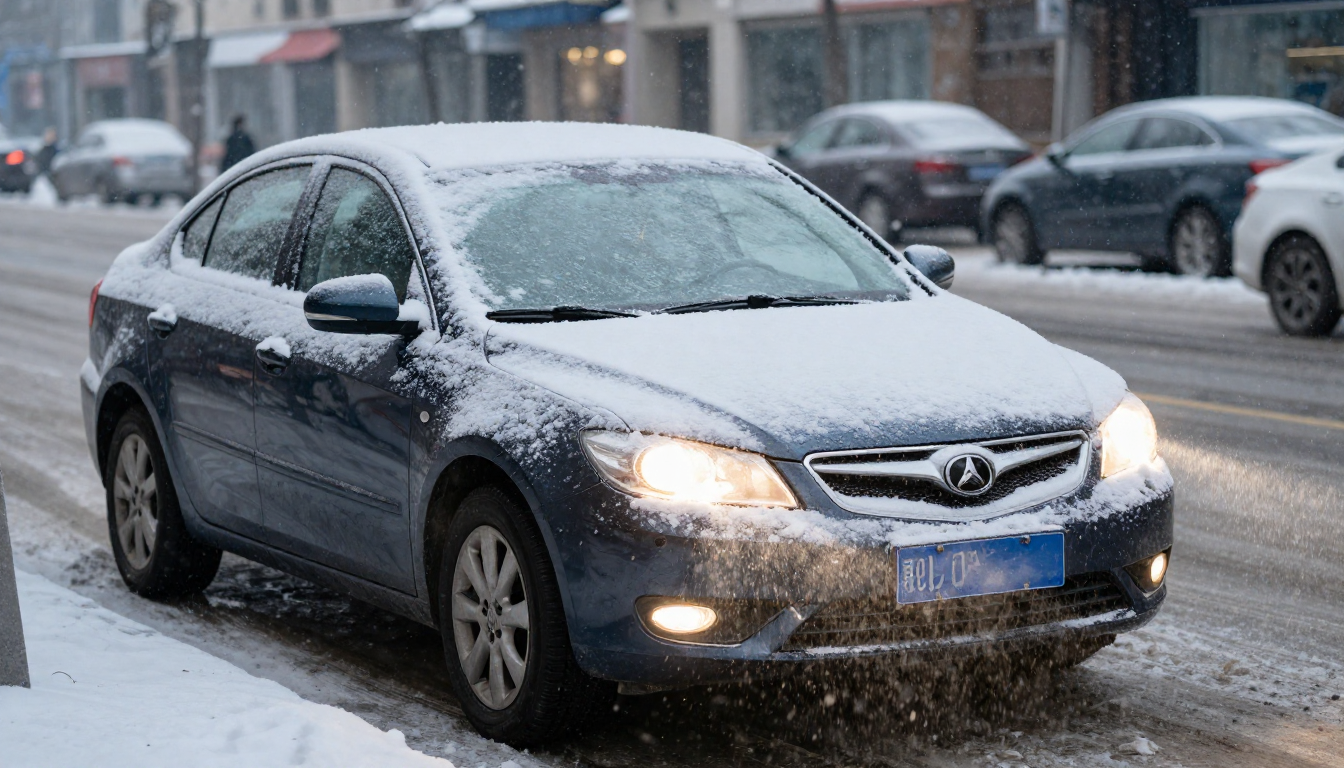
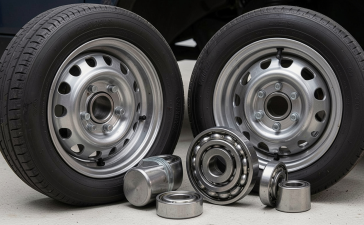
A wrong step on the icy road will cause a mess and tires will put the foundation in any car, which is ready for winter. All seasons will not suffice in summer when the streets are covered with snow. Get winter tires; they offer better tires, have a shorter braking range, and offer better general control of the car. When you are ready to jump in with the big boys of winter safety, it is time to say farewell to the old and get used to being depended upon underfoot.
When selecting the right winter tires, consider more than just brand loyalty. Look at the treads, the more the grooves, the better the snow and water are thrown out of the way and the firmer the road becomes under the tire. Monitor tire pressure regularly, in cold weather it can drop to a low pressure, and this influences the way a car handles and burns fuel. Lastly, you must not overlook the fact that you need to change your tires, which will also assist in ensuring that you remain on the same course that you are on during the season.
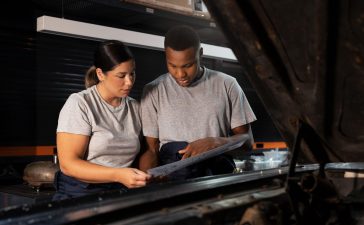
You should visit a good car repair shop in case you are not certain whether your car is in good condition to survive the winter season. For example, York auto repair offers comprehensive services, including diagnostics, to help ensure your car is prepared for the cold months.
Don’t Skimp on the Fluids
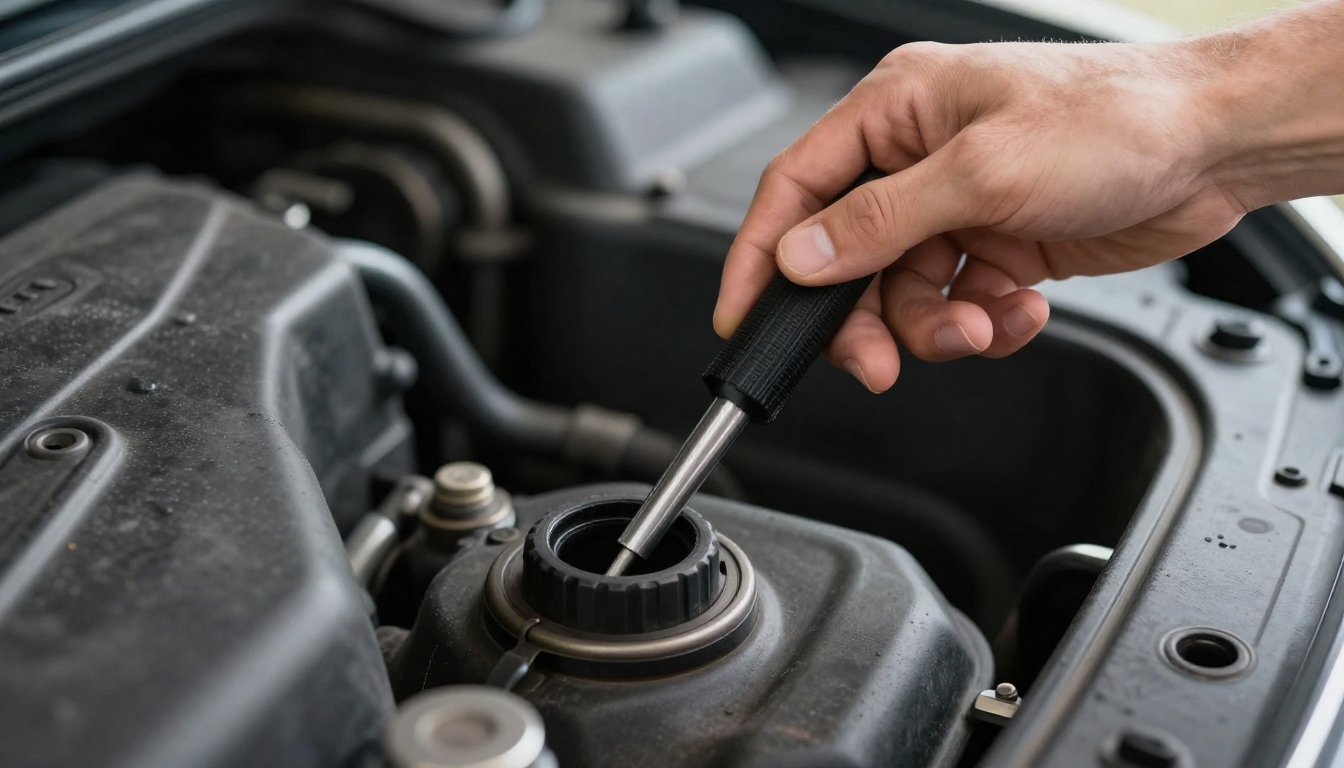
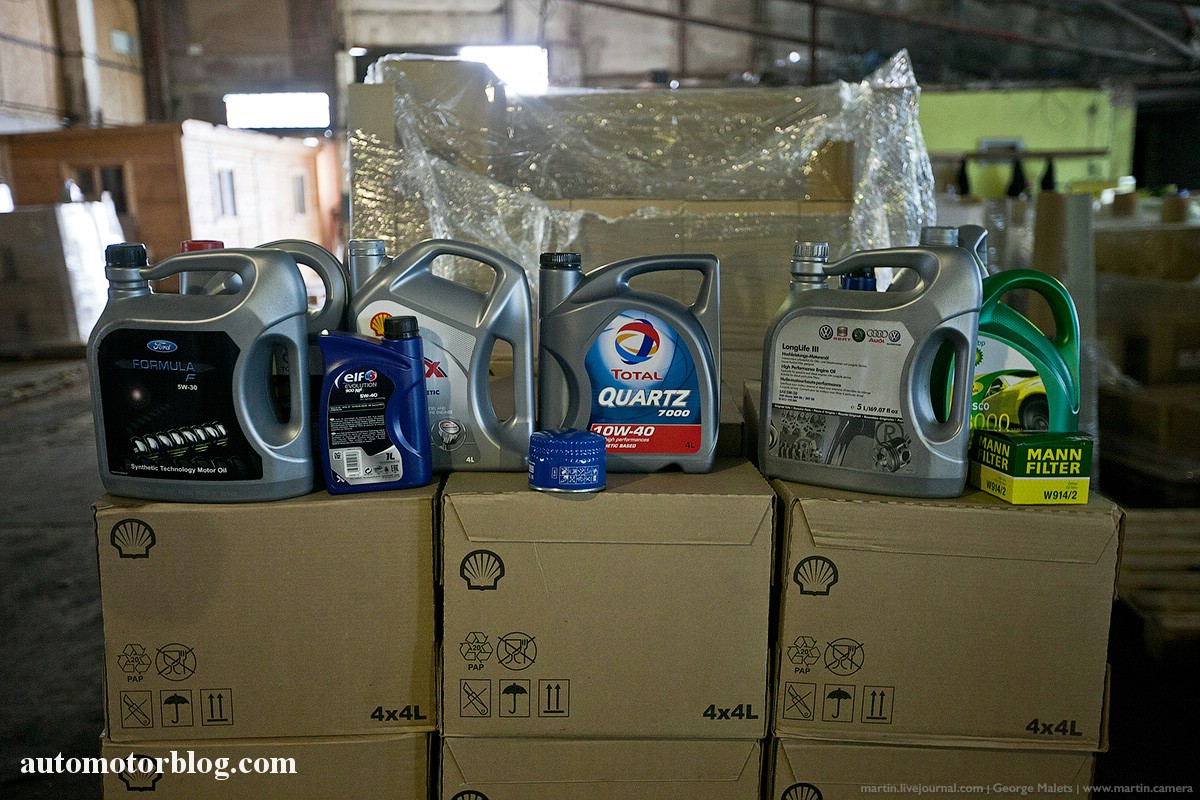
Fluids are the lifeblood of your motor vehicle, and during winter, they may acquire even more significance. The unsung hero is antifreeze that keeps the internals of your engine safe in the cold. Besides, it is also worth switching to a winter grade oil to achieve maximum performance. In the case of wiper fluid, make sure that it is of low temperature so that it will be visible in case of unfavorable conditions. And also, it is not only humans who should be well hydrated.
To maintain a smooth hum of your vehicle’s engine, it is necessary to regularly supply your vehicle with the required amount of brake fluid, coolant, and power steering fluid. All the important liquids can become thickened by cold weather resulting in reduced functionality. When they are replaced regularly, then you can be assured that you will maintain the integrity of your car during the winter season. This forward-looking measure will reduce the chances of mechanical breakdowns that are caused by cold temperatures.
Battery Responsiveness is Key
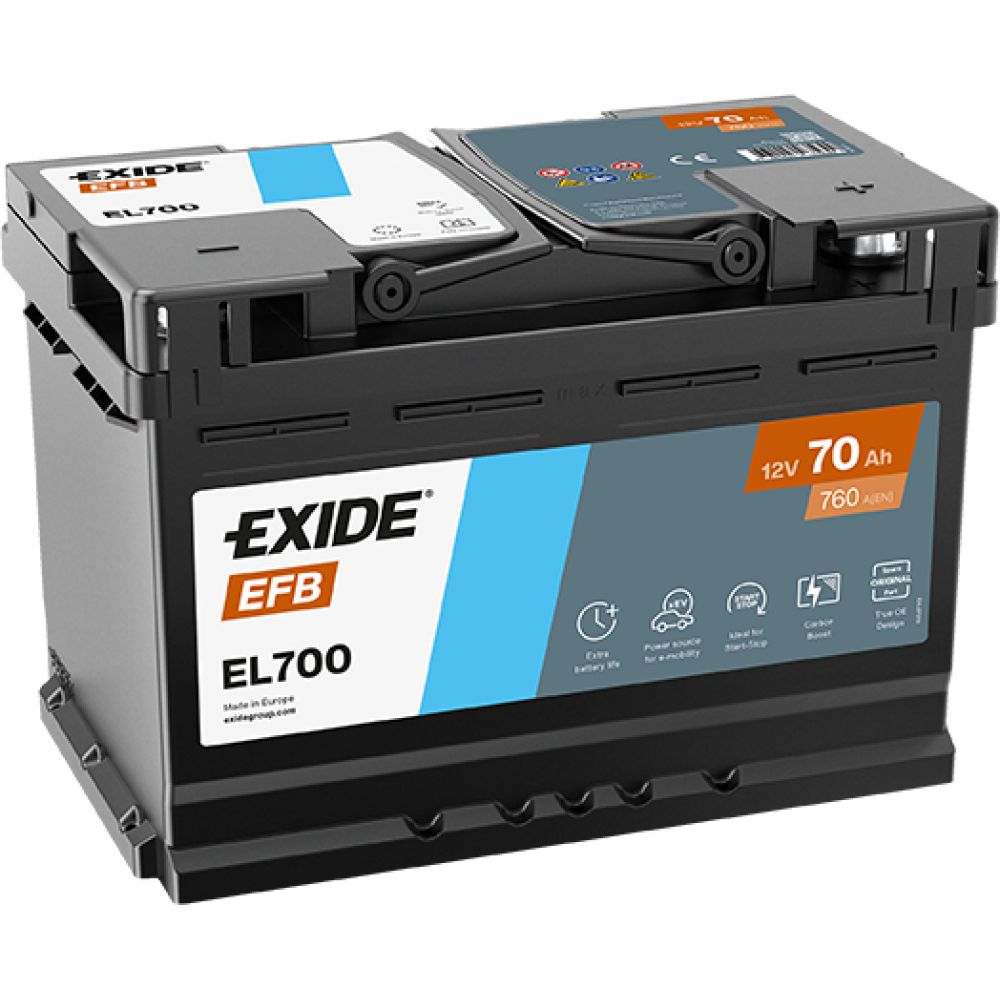
A car that does not start when it is cold is a nightmare for drivers, which is usually associated with a defective battery. It is your duty to ensure that the power source is monitored before it is too late. Batteries have a shelf life; after a few years have passed, it is time to check whether it is time to change the battery. A rapid battery check can save the hours wasted in being stuck and making guesses, and worrying.
Understanding the warning signs of battery depletion is essential. Should you observe a slow engine start, low internal light, or a red light on your dashboard, then take prompt action to solve these problems. It could also be a good investment to have a portable jump starter kit. The tool has now become a roadside ritual and may turn into a priceless commodity in cases of an emergency; it provides the possibility of not having to depend on outside resources to start your car and get it going.
Embrace the Light: Headlights & Visibility

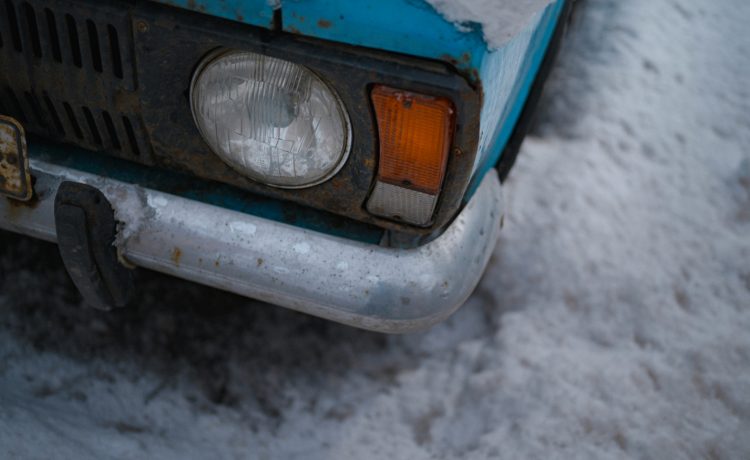
Reduced length of the days and increased length of nights imply that the lighting of your car is another critical point to evaluate. This is no place for gray or failing headlights. Test them frequently, and make adjustments. A mere outlay in brighter lights can cut through winter fog and afford you a view that will keep you—and those about you—safer.
Poor light may not be as much of a hindrance to visibility as a dirty windshield. Establish a habit of cleaning the interior and exterior surfaces to avoid glare and image distortion. Moreover, make sure that your windshield wipers are in good shape and change them where needed. Silicone wiper blades are also adapted to harsher weather conditions and capable of clearing the water, ice, and snow, clearing the view of drivers in dangerous weather conditions.
Test Your Heater: Comfort Isn’t a Luxury—It’s a Necessity
This is the heater in your vehicle, the unsung comfort hero in the great chasm that is winter. Waiting until you get the first frosty day to find out that the internal heat is not going to reciprocate your wishes to defrost, not only of the windshield but also of your mood. Turn on that fan, switch it on, and indulge in yet another pre-season check. Summer patrons may laugh at such a notion, but winter warriors recognize the value of snug warmth.
Other than a warm cabin, it is important to make sure that your car’s defroster is in proper working order to prevent cross-season driving. Test it in order to ensure that your car windows are quickly demisted to have a clear view of all the surroundings in any weather. The mere fact of getting into an already warm car first thing in the morning is a wink of warm winter preparedness, one that will bring immeasurable pleasure to cold-weather commuting.
Keep the Essentials On-Board
Finally, prepare for the “what-ifs.” Snow brushes, ice scrapers, and a stash of emergency gear belong in every trunk. Just in case the worst happens: blankets, non-perishable food, bottled water, a flashlight, and even a spare phone charger. Although these things will not ensure that your car will not going to malfunction, they will save you when life throws a curveball at you.
You should also be ready to think outside the box. A bag of sand or kitty litter may help you out of an icy road more than any other thing. Breakage rates are more pronounced in low temperatures, and a good first-aid kit is one more intelligent addition. To the extreme-prepared, a reflective triangle installation and warning flare might be used to provide the much-needed safety indicators in case of a roadside accident.
Winter preparedness of your vehicle is not just a checklist, but it is a road map to life and calmness. Now think of your preparations: Be in your vehicle like a companion, like a co-pilot in the wrath of the ice of nature. On some occasions, it is not about walking in the cold but riding in a warm, reliable fashion.