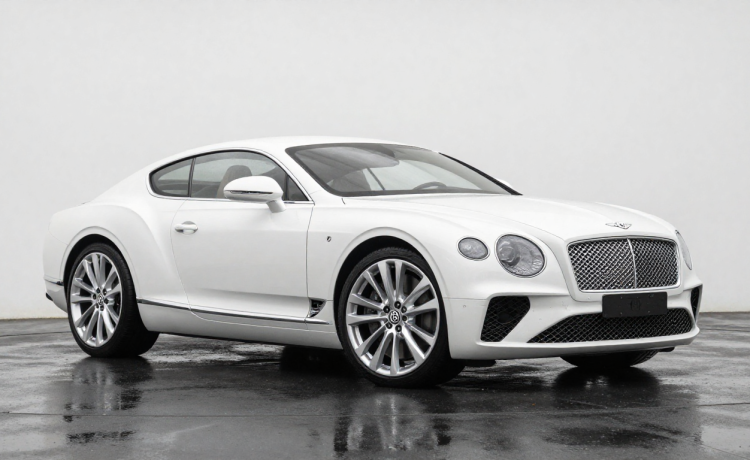
Something is undoubtedly exciting about getting behind the steering wheel of a high-performance car. It is the sound of the engine, the immediate acceleration, the way it handles perfectly, and how all the curves are like a dance. However, bear in mind that there is much more than simply the horsepower value to look at before you put your name on that dotted line on top of that sleek sports car or muscle car.
Table of Contents
Understanding the True Cost of Ownership
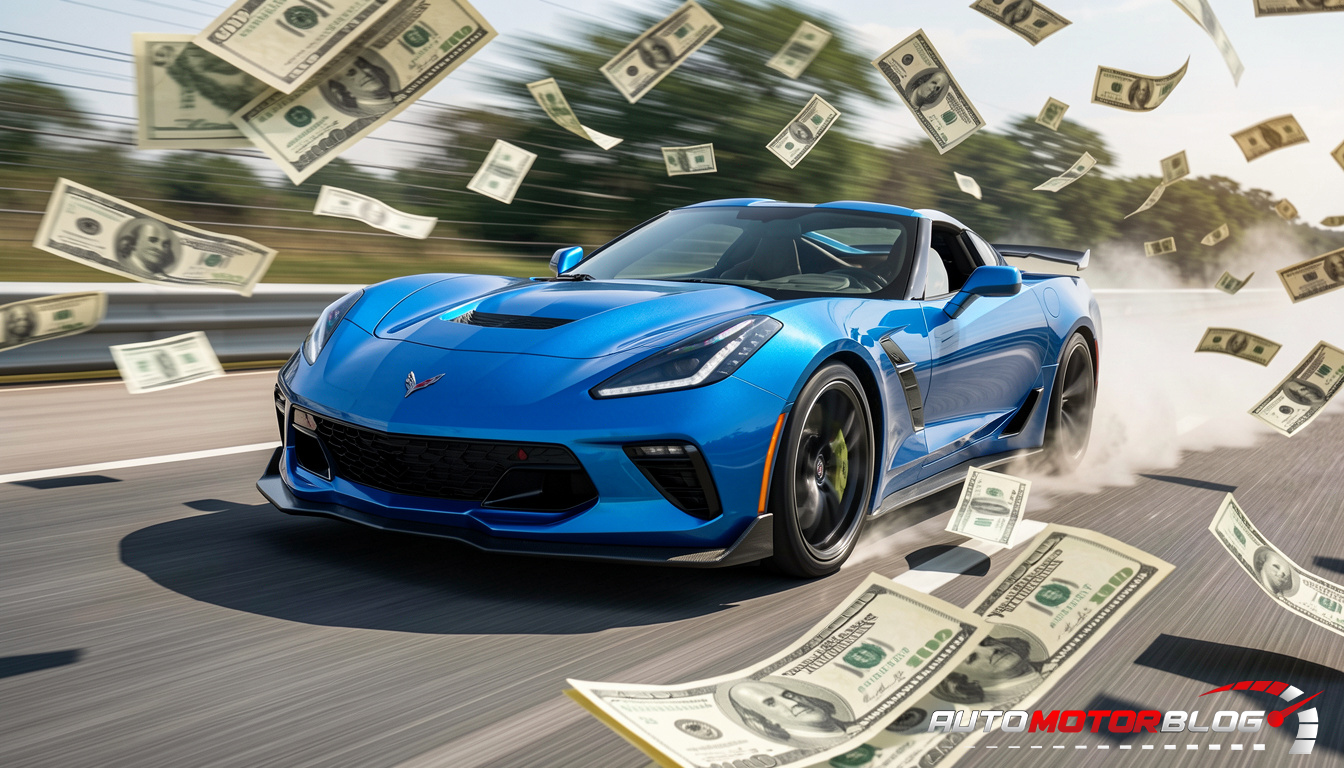
The retail price is just the tip of the iceberg with regard to high-performance cars. Such cars require expensive fuel and when you are filling it once a week, it will empty your wallet. The cost of maintenance is also usually greater, as the performance cars need special components and skilled mechanics who are aware of how to work around the complicated engines and suspension systems.
The next is the factor of insurance.
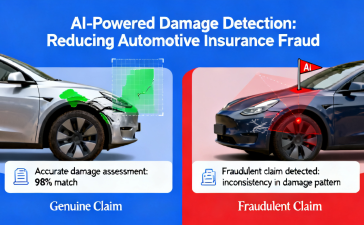
Performance cars often come with significantly higher insurance premiums, and if you have any marks on your driving record, you might need to look into car insurance for high risk drivers, which can be considerably more expensive. Strong cars are a bigger liability to the insurance companies and they are reflected in the pricing of their policies. It is a good idea to ask about a quote before you make your purchase.
Daily Practicality Matters
One can easily be swept up in track times and zero-to-sixty measurements, but consider in good faith what you are going to do with this car on the road. Will it be your only vehicle? Suppose that, then, you should think about whether it is capable of meeting your real needs. Most racing cars have very small trunks, uncomfy rear seats that are practically decorative and low ground clearance that places speed bumps and steep driveways as your mortal enemies.
The suspension is so firm in some performance cars that you feel like you are on a kidney massage ride in the morning. Other people have clutches that are so much heavier than they will provide you with a workout in the stop and go traffic. They do not instantly turn people off but they are something worth trying before making such a commitment. Test drive over a long distance, including the roads you frequent on a daily basis, not only the smooth highway portion.
Fuel Economy and Environmental Impact
High-performance engines are thirsty. Although with the strides of modern engineering, some impressive gains have been realised in terms of efficiency, you are still looking at miles per gallon that are way below those of regular vehicles. Divide the amount you will spend on gas into a realistic annual calculation. That fuel bill every month would make you feel differently about affordability.
In case environmental issues are of concern to you, it is good to know that most performance cars have bigger carbon footprints. The market is, however, changing. The trend is towards more electric and hybrid performance vehicles that are providing amazing acceleration without having to feel guilty and a stop at the gas pumps.
Your Driving Experience and Skill Level

Be realistic about your abilities. The power in high-performance cars can easily get out of your control, particularly in wet or icy conditions. Such cars are usually fitted with options such as launch control, adjustable drive modes, and responsive traction. Technology, however, could not fully counter the lack of experience.
Enterprising: To take a performance driving course before or after buying. Not only are you safer learning to use a powerful car well, but you also tend to enjoy what the car is capable of doing. Most insurance firms go as far as to offer savings on premiums by passing approved defensive driving courses, which may be used to cover those premium hikes.
The Modification Temptation
Performance cars are purchased by many individuals intending to upgrade them. Exhaust systems, suspension modifications, tuning chips, and so on. Though proceeding on this path, get to know that changes have the capability to nullify warranties, raise insurance premiums even further, and even render vehicles illegal to run on streets in some localities. They are also capable of damaging resale value when a buyer desires a stock vehicle in the future.
Resale Value and Depreciation
Performance cars also wear out too fast particularly when they belong to luxury brands or when they have covered lots of miles. Others are collectors’ items and are worth a lot, but that is the exception and not the norm. Find out the history of depreciation of the particular model. A car that depreciates by half within three years may be fun to drive, but it is a very costly hobby.
The Emotional Component

Here lies the fact that car lovers know: the figures can be irrelevant sometimes. If a particular car makes your heart race, if you find yourself looking back at it every time you park, if the driving experience brings you genuine joy, that has value too. Life is not only about making the most practical decision all the time.
The trick is to be open-eyed when you get there. Get to know what you are involving yourself in, both financially and practically, then determine whether the experience is worth it to you. To some, the response is a yes. They will gladly spend more on insurance, less trunk space, and worse fuel consumption in order to be able to drive something special.
Making the Final Decision
Always insure the car before purchase, estimate the total ownership cost of a vehicle, including maintenance and fuel, and also make sure that the vehicle will fit your real lifestyle. Test drive under a variety of conditions. Interview existing proprietors and get to know their experiences, both positive and negative.
A high-performance car may be a great buy that will provide years of pleasure in driving. All you need to do is to ensure that the kind of speed that you are purchasing matches the life you are actually living.