Everybody has been stuck on a highway with a bald spot, so you know that a flat will spoil a good day. However, just how expensive is actually fixing that, and is patching it really the appropriate decision for you? This tutorial will show you how to repair one, how much a patch will cost (and how many costs will differ based on your service level), compare the DIY approach with the professional service, and provide you with a foolproof list of what to do to reduce the risks of puncture in the future. At the very end, you will know not only how much money is spent but also how safe and long-lasting a patch can be.
Table of Contents
Essentials of a Flat Tire and a Patched Tire
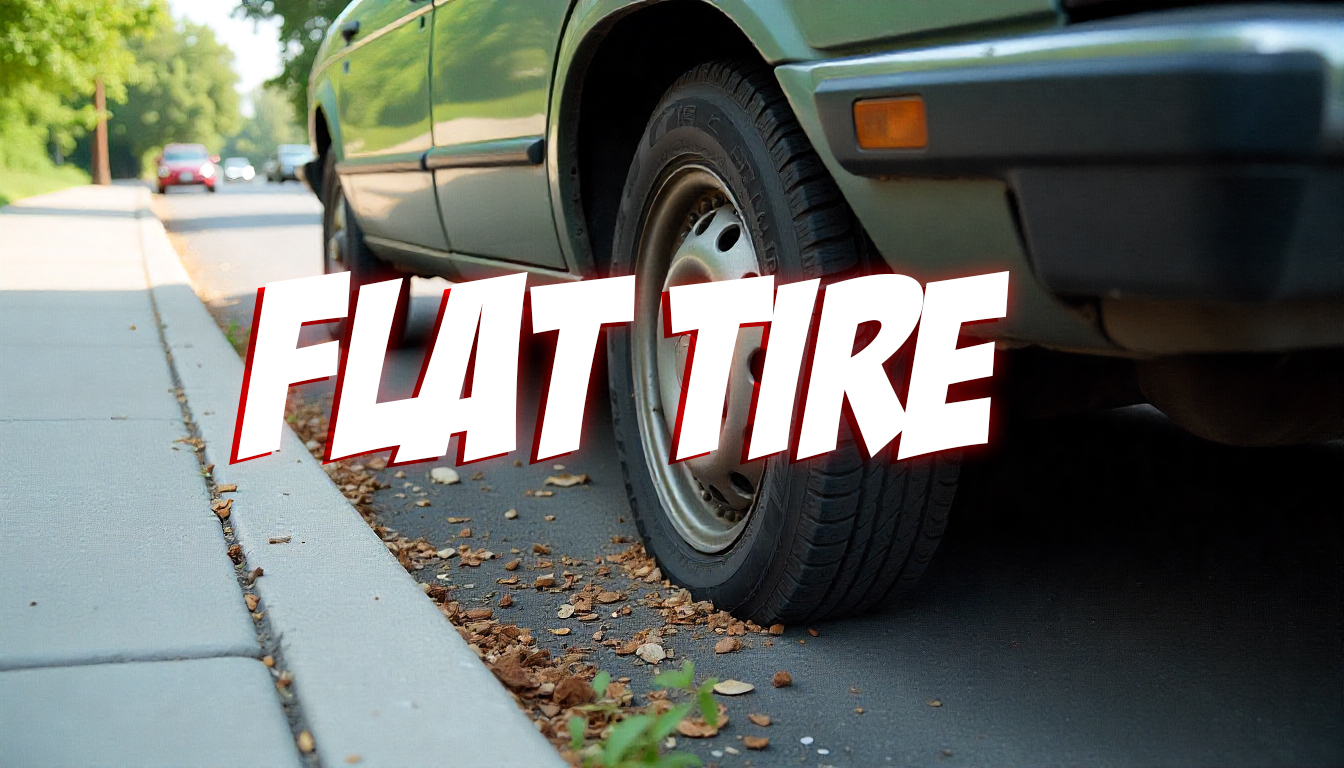
A flat tire is a situation in which the structure of a tire has been weakened, and the air is leaking fast. Most frequent offenders are punctures, nails, stones, or other sharp objects that come into the tread. The damage is sometimes too serious or too far, and the tire cannot be salvaged.
A patched tire is an inflatable tire that has been punctured and patched (or a patch and a plug) with a patch of inflatable rubber. This is aimed at recovering the capacity of the tire to contain air and allocate loads that will increase the service life of the tire. Nevertheless, a patch cannot simply heal the damage that has already been done to the weaker sidewall or the carcass.
How Much Does It Cost to Get a Tire Patched?
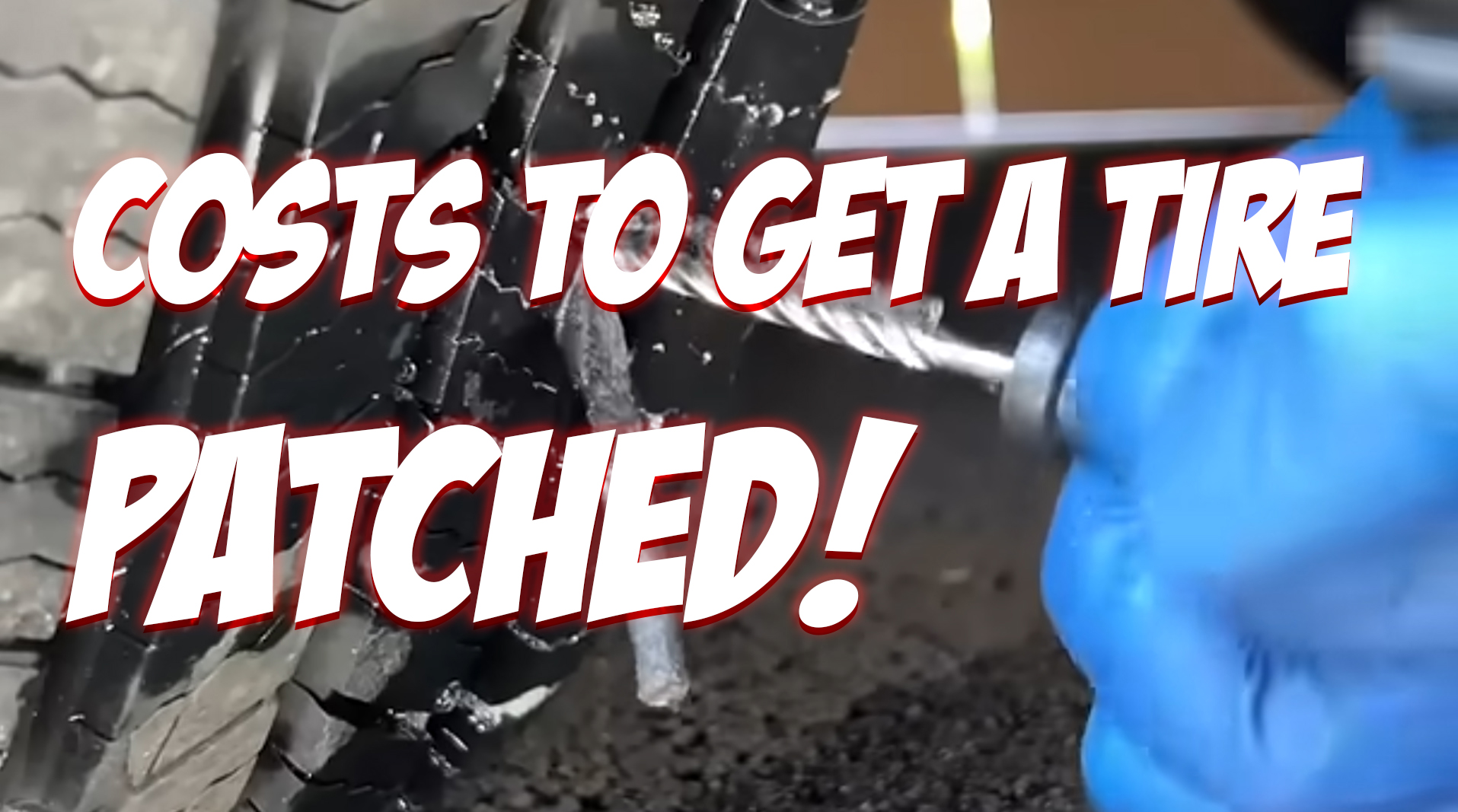
Prices of tire patches differ all over based on location and tire requirements. The following is a table of average prices.
| Service | Typical Cost (US) | Notes |
| Tire Inspection | $5-$10 | No repairing included |
| Basic Patch (single tire) | $20-$40 | removal, patching, and re-inflation |
| Basic Patch + Plug (single tire) | $30-$60 | Patch + Plug is more expensive, and is more durable, particularly when it comes to larger holes |
| DIY – Do It Yourself | $10-$20 | Patch + Plug is more expensive and is more durable, particularly when it comes to larger holes |
Where to Get It
Independent repair shops: They were often the most economical choice
Dealerships: They typically charge a premium, yet they are at ease with complicated repairs
Chains: (e.g., Michelin, Goodyear, Dunlop, Douglas, etc.): Medium price, and potential discounts on loyalty programs
Mobile repair services: Convenience + higher cost, average of $35-70 for a tire repair
HINT! Pay in advance to get the written estimate of the work done. This will cushion you in against the extras of the shop, particularly any additional fee they raise to do a tire cleaning or repair the rim.
Can I Repair a Flat Tire on the Spot? What Do I Need?
A middle-level flat can be frequently repaired on the spot – yes, primarily, when you have a simple repair kit. Nonetheless, it has some requirements:
1. A Reliable Air Compressor
The compressor you will require will have a minimum production of 100 psi to fully reinflate the tire. The majority of roadside assistance services are equipped with one.
2. A Tire Repair Kit
This typically has a patch, a plug, a bead breaker and a small hammer. Ensure that it is of the right size to match the tire.
3. Safety Gear
– A reflective jacket (to stand out like when you are out)
– Eye protection and gloves (tire rubber splats)
4. Knowledge of the Process
You are to know how to find the puncture, make a clean opening, lay the patch over it, press the plug in and inflate again. It will take a few minutes with a Web tutor or a guide from a local mechanic.
When to Call a Professional
- It is punctured in the sidewall or rim.
- There is a blowout of the tire or its structural damage.
- You do not know whether the repair is safe or not.
- The tire is either a high-pressure or run-flat tire that should be handled specially.
Comparison between DIY and Professional Tire Repair Costs
Whether you choose to do a patch yourself or leave it to the professional repairer depends on your money, time and level of confidence. A comparative analysis is given below.
| Comparison | DIY (Do It Yourself) | Professional Tire Repair |
| Fix costs | $5–$20 and it takes about 30-45 minutes or 15-30 minutes (when you are experienced) to fix the tire | $20–$60 |
| Safety | Better chance of improper patching | Reduced risk, professionally repaired |
| Long-term cost | Could require a second repair | Could probably have a one-time fix |
When DIY Repair Wins
– You are commuting in a secluded place that has few stores.
– You carry a spare patch kit, spare tire and you are okay with a quick fix.
– Only a nail in the tread; you have high chances of successfully repairing the puncture.
When Professional Tire Repair Wins
– The puncture is huge or at a critical location.
– You desire the peace of mind that is associated with certified repair.
– It is a high-performance tire or a run-flat tire.
NOTE! This is why in case you are not comfortable making the repair, a professional fix is normally worth paying more for. A bad patching of tires may cost more in the long term since it may result in loss of fuel efficiency, accidents, or even a blowout.
The Most Common Tire Punctures, Common Causes, Fixes, and Costs
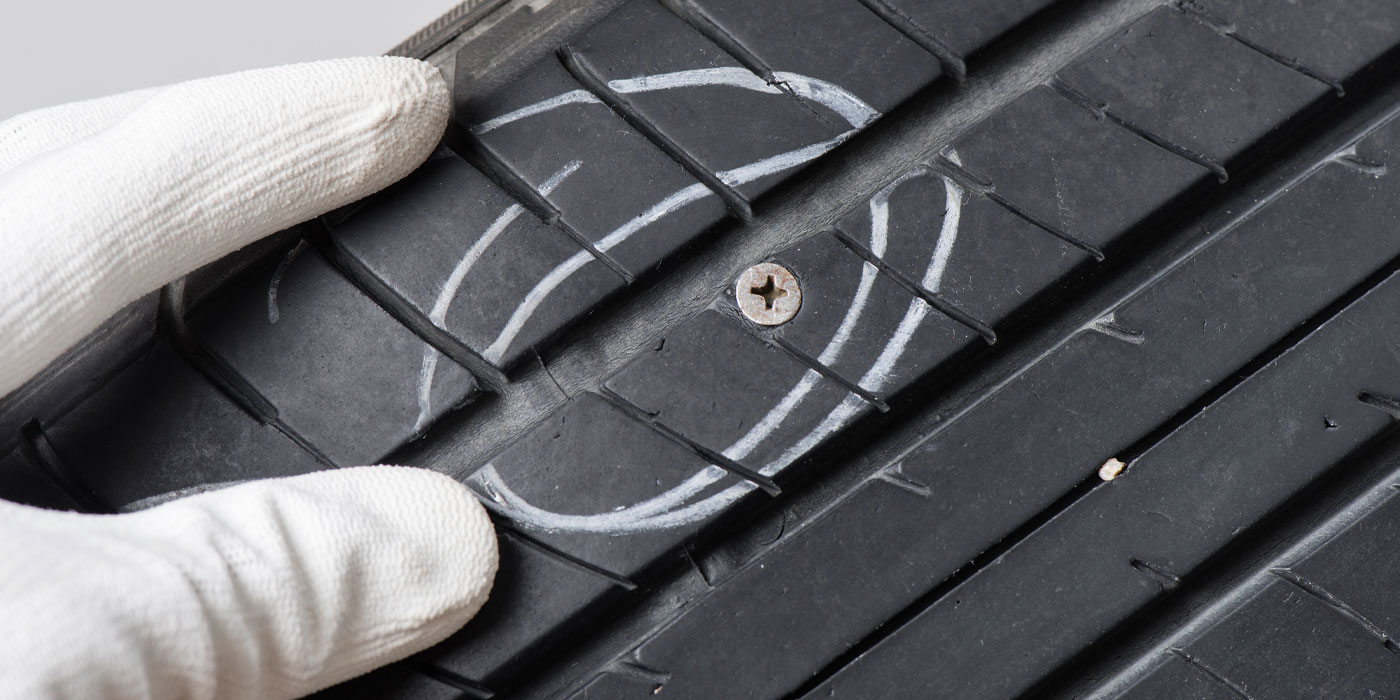
1. Nails & Sharp Metal
Cause: debris, unsecured metal, on the road.
Fix: Patch or plug; cost $20–$40.
Risk: A deep nail or one close to the side wall is considered a high risk.
2. Stones & Pebbles
Cause: Rough roads, gravel roads.
Fix: Patch or plug; cost $20–$40.
Risk: Look for more than one puncture; there may be many holes.
3. Rim Damage
Cause: Potholes, curbs.
Fix: Repair the rim; it may need a professional shop.
Cost: $50–$200 (depending on rim type).
4. Sidewall Wear
Cause: Overinflation, extreme velocities, scrunched tread.
Fix: Replace the tire, not patch.
Cost: $100–$200 for a new tire.
5. Tire Deflation (Air Leak)
Cause: Worn valves, change of temperature.
Fix: Valve stem repair or replacement; it costs $10-$30.
LESSON TO BE LEARNED! Most punctures on the tread are repairable although any damage to the tread outside the tread such as the sidewall or the tire may have been running low long enough that it could be safer and more economical to replace.
What Are the Steps to Follow in the Event of a Flat Tire?
It is not only time-saving but safe as well. Follow these steps:
1. Pull Over Safely
Locate an open, extensive area and one not in traffic. Turn on hazard lights and should you be capable of it, pull into a shoulder or a parking lot.
2. Apply a Jack
Raise the car until the punctured tire is clear of the ground. Make sure that you use a jack that is equal to the weight of your vehicle.
3. Remove the Lug Nuts
A lug wrench can be used to loosen the nuts and get the tire to rise so that it becomes easy to pull.
4. Detach the Tire
Tug the tire right off the rim. Check for several punctures.
5. Locate the Puncture
In case of small holes, a bead breaker will be used to help show the precise position.
6. Clean the Area
Clean up the mess using a brush or compressed air.
7. Patch/Plug
Plug: Press the plug into the puncture until it fits on the rim.
Patch: Take a patch, cut it down to size, place adhesive, press firmly, and slide across the puncture.
8. Reinflate the Tire
Raise your air compressor or a portable pump to achieve the recommended PSI.
9. Reattach the Tire
Install the tire again in the rim in the pattern of a star.
10. Lower the Vehicle
Take out the jack and make a final check of the lug nuts.
NOTE! This is because when you are uncertain about the reason the tire went bad, it is better to change it than to run the risk of the tire blowing.
What is the Maximum Speed We Can Drive Safely When Using Tires That Have Suffered a Flat Tire?
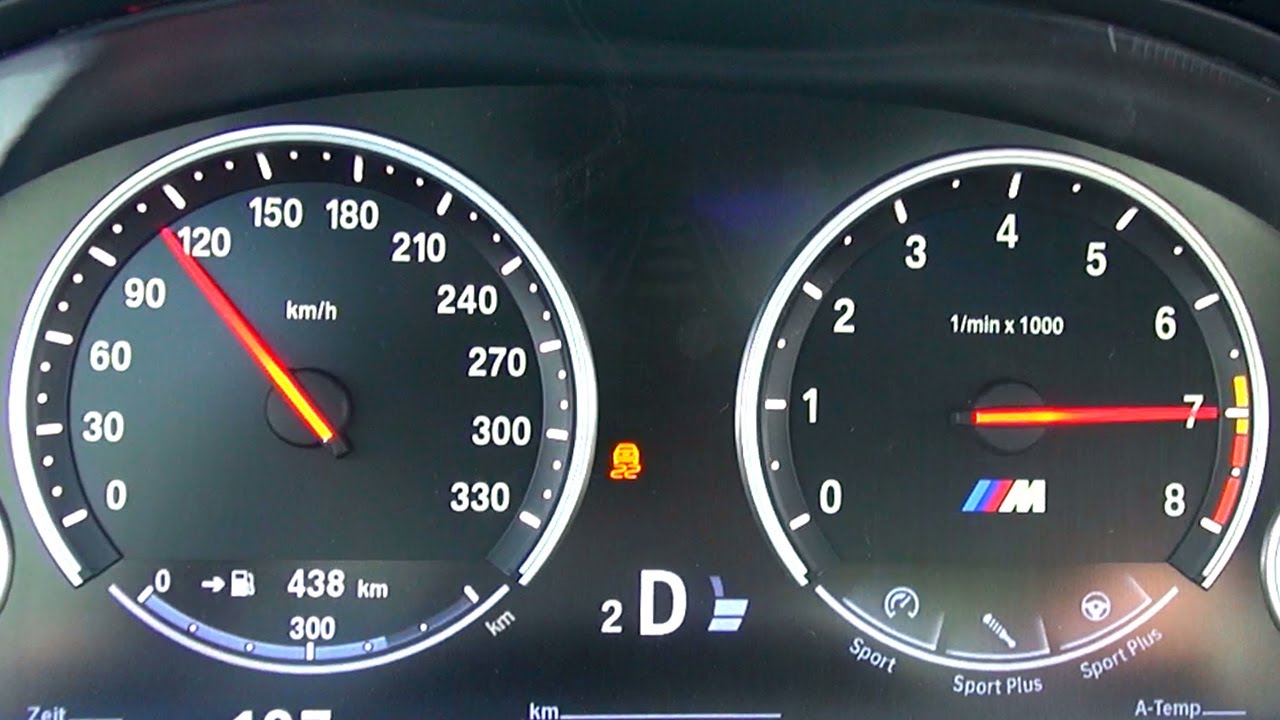
The functionality of a patched tire will be determined by the quality of the repairs and the condition of the tire. The general rule of thumb:
- Up to 50 mph (80 Km/h): Most consumers can safely use it with a properly patched tire.
- 50 – 70 mph (80 – 112km/h): Short distance acceptable; always check tire pressure.
- Over 70 mph (+112 km/h): Not suggested unless a professional has done the repair and the tyre is a run-flat tyre.
Manufacturer’s Recommendation
This should always be checked on the DOT label of the tire or in your car manual. There are tires that are specifically marked with the maximum speed of a tire. When unsure, it is better to be safe and only drive at a speed that is below 60 mph until you are sure that the repair has been successful.
What is the Comparison of Tire Patching with the Other Tire Repairing Methods?
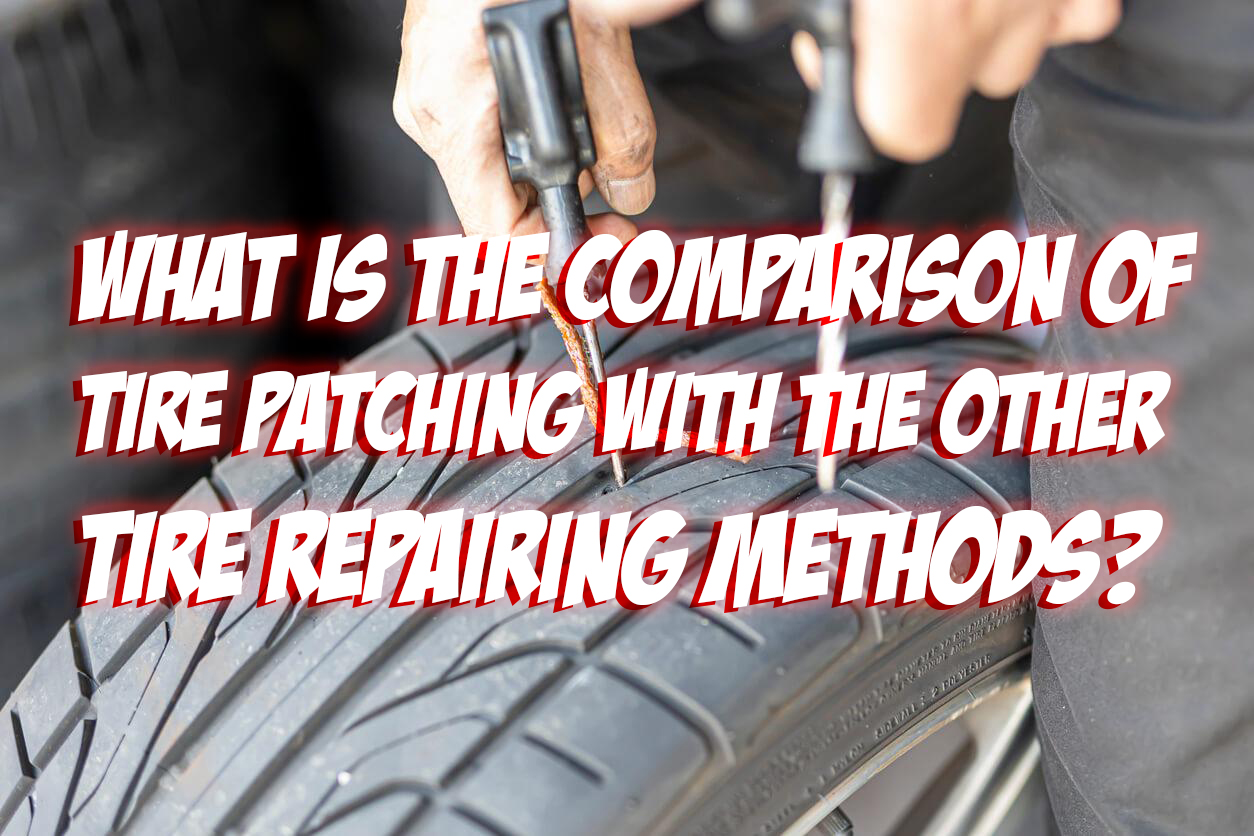
1. Patch vs. Plug
Patch: The patch is placed on top of the puncture, and it offers a more permanent fix.
Plug: Filler, typically of lower quality, but not able to cover deep punctures as effectively.
Bottom Line: Bigger holes? Patch it.
2. Patch + Plug vs. Sealant
Sealant: This is a spray or liquid that automatically closes punctures.
Patch + Plug: Physical repair, which is less likely to release with time, but requires special tools.
Sealant is used when you are in a hurry to go to a shop and have to make a quick fix. No lasting remedy to structural damage.
3. Repair vs. Replacement
Repair: less expensive ($20-$60), prolongs the existence of tires.
Replacement: Costlier ($100 -$200) warranties safety and performance.
Take into account the age of tires, their mileage and the level of wear. Even in cases where patching is possible, replacement is recommended on a tire that is aged and has a tread depth that is less than 2 mm with a tread life of 5-6 years.
Top 10 Tips on How to Prevent Flat Tires
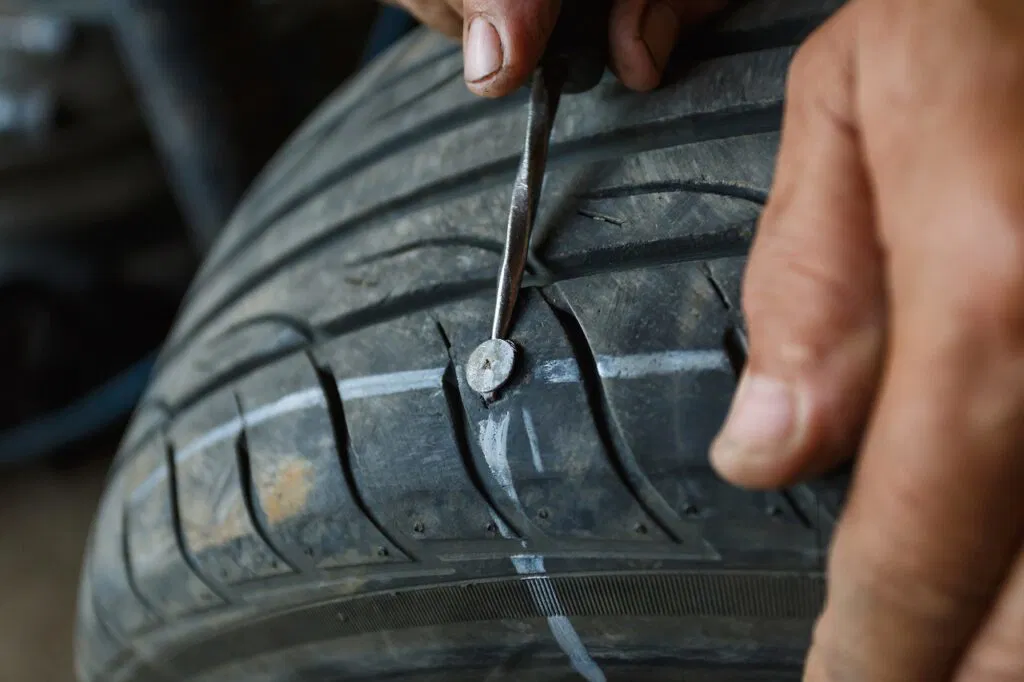
1. Check Tire Pressure Regularly
Check a digital gauge at least once every month. A significant offender is the underinflation of tires.
2. Inspect for Wear
Change tires when the tire treads wear down to less than 2mm or notice irregular wear.
3. Avoid Overloading
Overloading is a pressure strain on tires and may cause an abrupt puncture.
4. Watch Your Speed
When the speed is high, there is a probability of a sidewall blowout.
5. Stay on Smooth Roads
The biggest culprits are potholes, debris, and uneven surfaces.
6. Keep Tires Rotated
Wear is evenly distributed through rotation, which prolongs the life of tires.
7. Use Proper Valve Caps
Valve caps are used to secure dirt and punctures.
8. Replace Old Valve Stem
Leaks may occur after 10-15 years in valve stems.
9. Keep a Spare Tire
An emergency can get you to the time when you can get a good repair.
10. Install Run‑Flat Tires
Run-flat tires might save you by keeping you on the road when the tire is punctured in case you are in a busy place.
Final Thoughts
A flat tire may be a little inconvenience to you. Or a great crisis, according to the way you take it. A patch is not very expensive, and it is certainly cheaper than a new tire or blowout damage. But not all flats are the same ones, it is important to find out the reason, check the condition of the tire, and apply the appropriate repair technique in order to be safe and keep the costs under control.
Be conscious of the systematic procedure. When you are on the road and the tire has flattened, lock the car, remove the tire, locate and repair the hole, inflate the tire, reattach, and check it.
You should not be afraid to call roadside assistance or shop in case of significant damage to your car or even when you are not sure how to fix your car. When properly done, a tire that has been repaired can take months or even years to travel without causing accidents, though not when handled carelessly.
The next time you experience that unexpected air pressure drop, you will know how to do it, how much it is going to cost and whether a patch or a replacement would be best.
Keep your tires in good condition, observe the state of roads and you will have a much easier and safer trip in the upcoming years.
Frequently Asked Questions
Is it possible to patch a tire with a depth of just 2 mm?
Yes, however, the repair will be less durable. A patch requires a minimum of a 3-4 mm puncture.
What is the life of a patched tire?
12-24 months on average, based on driving and tire life, but it can last even more years without any issues.
Can a severely punctured tire be safely driven on?
It should be the case that the repair was professional, and the tire was inspected. In extreme punctures, it is advisable to replace them.
Do run-flat tires require a special tire repair kit?
Yes, run-flats have a stiffer sidewall which involves a special repair process or a special kit.
Is it possible to reuse a patch in case the tire bursts once more?
No. When a patch breaks or is punctured, change the tire.
How much would I save by fixing up, not buying a new tire?
The cost of a new tire is more expensive (average $50-200), but fixing it up with a patch could save you big money. Removal, patching, and reinflation of the tire will cost you $20 to $40 at a professional tire repair shop, or $10 to $20 if you fix the flat tire on the spot with the right repair kit.
How fast can a patched tire run on a highway?
Not exceeding 60 mph except when it is a premium repair, and the tire is a run-flat.
Should I turn my tires after fixing one of them?
It is advisable to maintain an even wear pattern; thus, yes.
Could I repair a tire that has been previously repaired once?
Double patching is not recommended.
Will a patch have any influence on the tire traction?
A patch, which is installed properly, should not have any impact on the traction.
Nevertheless, every type of repair may change the profile of the treads slightly, and therefore, it is important to observe the handling of your car after undergoing repair.
References
- https://en.wikipedia.org/wiki/Flat_tire
- https://www.quora.com/How-do-you-patch-a-tire
- https://www.motortrend.com/how-to/tire-patch-vs-tire-plug-which-is-better
- https://www.continental-tires.com/us/en/b2b/truck/resources/insights/how-to-read-tire-dot-code/
- https://www.consumerreports.org/cars/tire-sealants/tire-sealant-review-pressurized-cans-kits-liquids-a4764961430/
- https://en.wikipedia.org/wiki/Run-flat_tire
- https://www.youtube.com/watch?v=N55sqDfMofg
- https://www.reddit.com/r/cars/comments/c1em9e/repairing_a_puncture_plug_vs_patch/
- https://www.pistonheads.com/gassing/topic.asp?h=0&f=23&t=1566053