A new bill moving through Congress targets Chinese connected vehicles with broader restrictions than before. Lawmakers acted while President Donald Trump visited China, where discussions with President Xi raised concerns in Washington about a softer stance toward Chinese automakers entering the American market.
Introduced on May 11, the proposal expands existing limits tied to China-made vehicles and related technology. The measure focuses on software and connectivity systems developed in China. Under the bill, passenger vehicles containing those systems would no longer qualify for sale in the United States. Production location would not matter. Even vehicles assembled on American soil through partnerships with US companies would still fall under the restriction.
The legislation carries bipartisan backing. Michigan Republican John Moolenaar joined Michigan Democrat Debbie Dingell in co-signing the Connected Vehicle Security Act. Supporters framed the proposal as protection for “American manufacturing, workers, and national security.” Earlier restrictions introduced through an executive order in early 2025 would become permanent law under the new measure. The bill also lays out enforcement procedures and adds fresh limits.
Modern vehicles collect huge amounts of information through sensors, software, and cameras. Backers of the proposal argue such data creates a security problem if Chinese firms, or Beijing itself, gain access. A similar effort already appeared in the Senate last month through Senators Bernie Moreno of Ohio and Elissa Slotkin of Michigan.
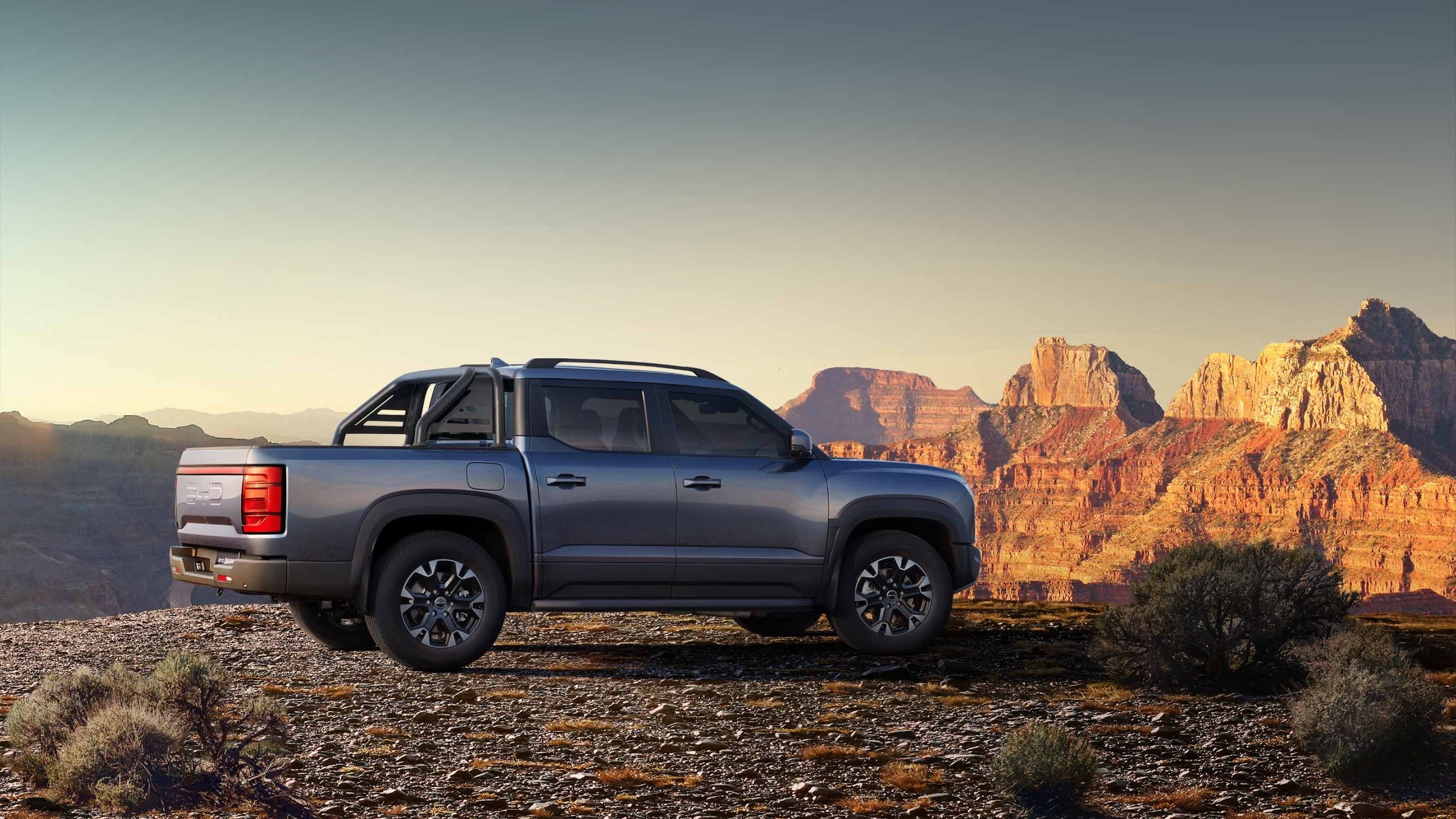
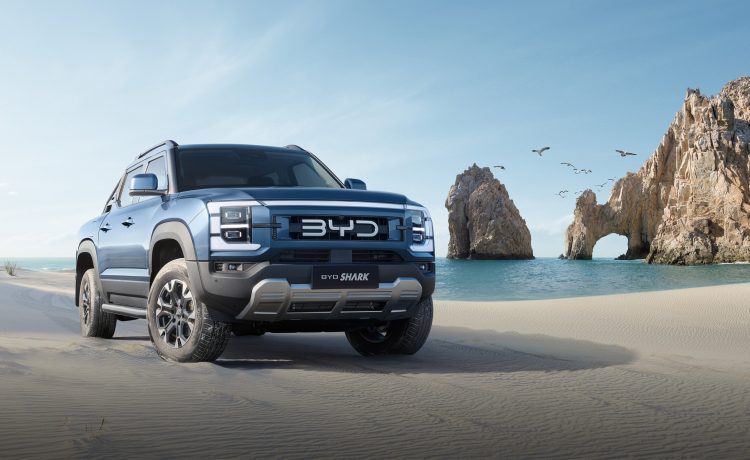
Pressure from the auto industry also shaped the discussion. Support for blocking Chinese vehicles from the US market appears widespread among domestic manufacturers. Meanwhile, Chinese brands continue expanding across Europe, South America, and parts of Asia. Some companies, including BYD, plan vehicle production in Mexico. In Washington, many view Mexican assembly plants as a possible route around existing tariffs.
And then there is the diplomatic angle. Trump’s Beijing visit raised fears among some lawmakers that negotiations with Xi might reduce barriers for Chinese automobiles entering the United States. For now, no agreement has emerged. Nobody knows where the summit discussions will lead. Still, the timing behind the congressional move looked deliberate.
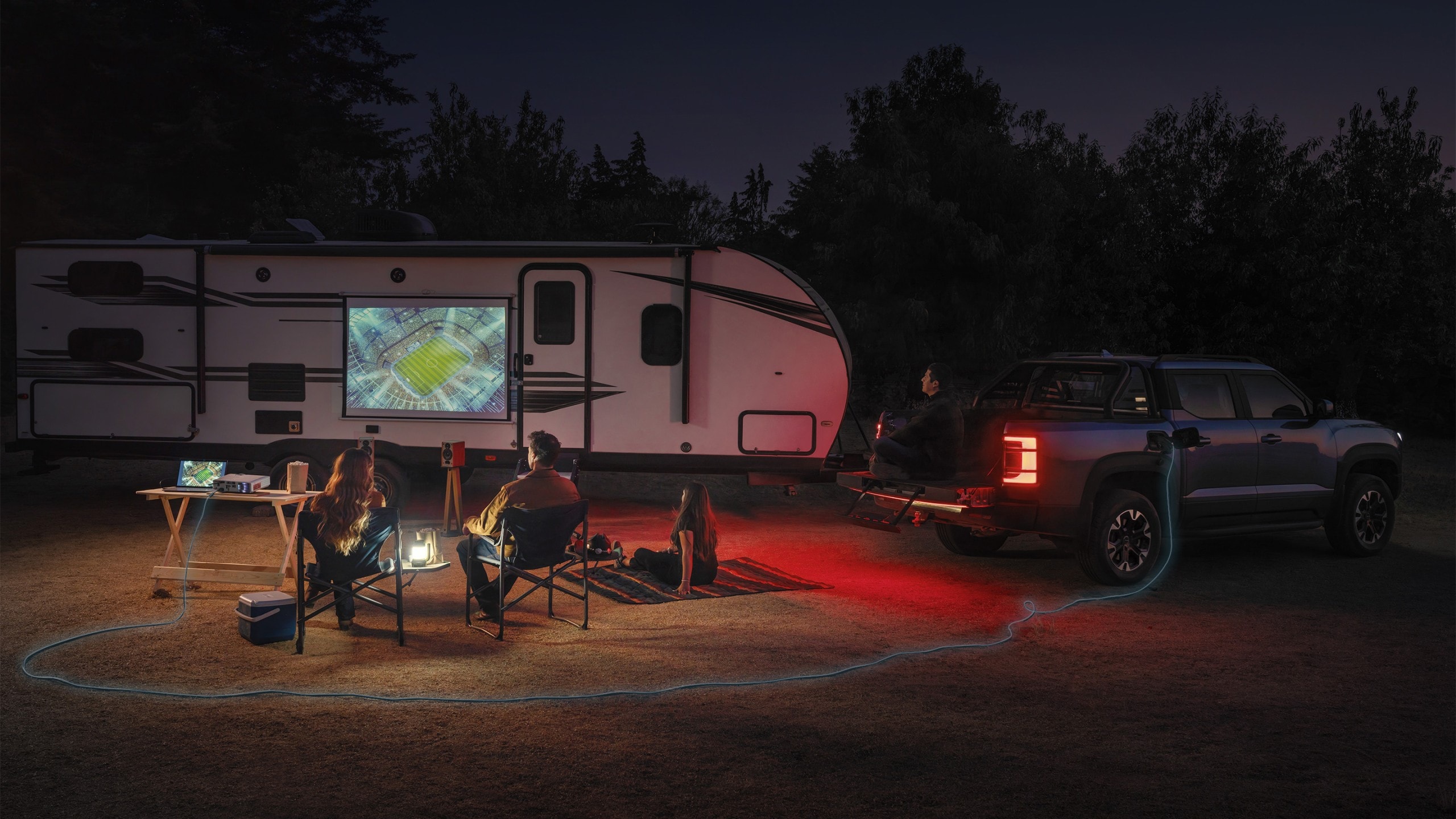
China already pushed back. The Chinese embassy in Washington criticized the proposal and urged the United States to “stop overstretching the concept of national security.” Those comments landed quickly. Industry executives also paid attention after Trump stated in January at the Detroit Economic Club that Chinese automakers building factories in America would be “great.”
Those remarks unsettled parts of the automotive sector. The latest trip to Beijing now adds another layer to an already tense debate over connected cars, manufacturing, and trade policy.