Modern in-car technology now combines safety, convenience, and entertainment in seamless ways. Dash cameras are no longer niche accessories but are integrated smart devices shaping the driving experience. This article details how the evolution of dash cameras and advancements in audio and infotainment systems, especially from brands like Pioneer Audio, affect your choices as a driver.
Few devices reflect the changing face of automotive technology as well as the dash camera for car, which has shifted rapidly from a standalone gadget to a central component of in-car systems. With more drivers wanting to protect themselves and capture what happens on the road, dash cameras are now more widely used, thanks to their increased quality and decreasing cost. But they also need to communicate and work with increasingly complex audio entertainment systems. For the safety and enjoyment of the driver, it’s important for them to understand the interaction between these technologies. Pioneer Audio, founded in 1930 to design dynamic speakers, still makes a variety of car audio products and has contributed to the new technologies’ interaction.
Advancements in dash camera technology and intelligence
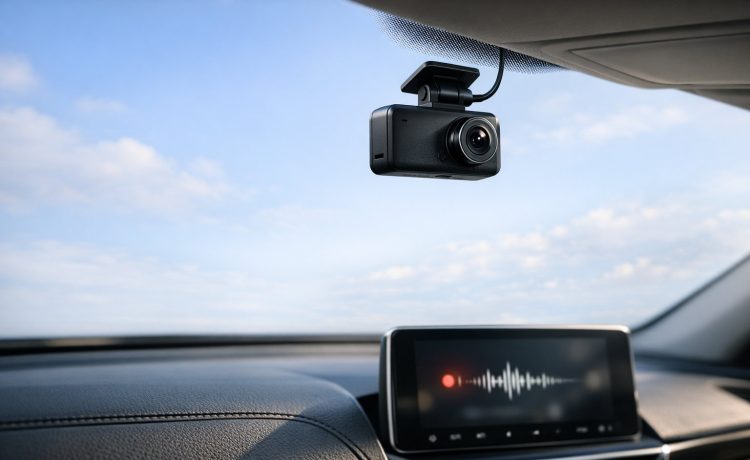
Early versions of dash cameras primarily offered basic recording to provide evidence after crashes. Modern models include capabilities such as high-resolution sensors, low-light improvement and wide lens angles, enabling you to record video footage despite difficult lighting. Greater clarity and resolution are useful for incident review or for providing evidence to insurers.
Features such as automatic accident recognition, parking monitoring and the capability to create video snippets with time stamps when triggers occur are also common in many contemporary dash cameras. This allows it to capture crucial driving information, aiding safety and potentially fraud detection. These capabilities highlight the evolution from passive recording to a safety feature within your car’s electronics.
Ensuring clean installation and audio system harmony
With more electronics on vehicles, it’s important for dash cameras and audio systems to play well together. Many installers of electronic devices run power cables for your dash cam in bundles alongside the head unit of your audio system, which can help avoid unsightly wires and keep the dashboard clean. Proper wiring and placement help eliminate interference from your camera or audio.
Finally, the audio quality is also reliant on in-cabin microphone and warning management. Most dashcams are fitted with microphones that can be used to record any audio in the cabin, but the location of the microphone is vital for good replays. The camera beeps, and voice warnings should be loud enough to alert you, but not too loud, especially if other audio is being played.
Connectivity, infotainment overlap, and user experience factors
Integration with smartphones and new infotainment system designs plays a role in how you access dash camera settings. Many manufacturers provide mobile apps that allow playback, Wi-Fi connectivity, or cloud integration for viewing and sharing recordings on your phone. Integration with various operating systems and infotainment systems can affect user experience.
System planning takes on new importance when upgrading audio components while also addressing your dash camera for car requirements. When drivers update speakers or receivers, it’s important to consider how those upgrades may impact camera install locations and cable routes. Coordinating compatibility and avoiding interference supports both recording functionality and entertainment quality in your vehicle.
Planning aftermarket upgrades and avoiding integration issues
There are vast opportunities for customizing dash cameras and car audio, but you need to plan these carefully. When upgrading speakers, amplifiers and head units, consider not only the technical considerations but also how they will work with or against dash cameras. Proper consideration will prevent devices from power conflicts and operation interference.
Often, car enthusiasts will perform these upgrades together to ensure compatibility and cohesiveness. Good results can be obtained every time if brands and installers are chosen who have experience with the integration of car systems to ensure a minimum of surprises or unsightly situations.