The condition of your windshield has an impact on your safety, visibility, and structural integrity of your car. Being able to know what to do with it in case of a breakage or replacement will save you some money and yet you will be safe on the road. The point here is to learn how to evaluate the damage appropriately and then make a decision.
Table of Contents
Why Windshield Damage Matters
Your windshield is essential in vehicle safety. It helps to preserve the structural integrity during collisions and assists airbags to open as intended. Even small chips or cracks may undermine the glass and decrease its functionality. This is one of the reasons why you must never overlook damage, however minimal it may be.
Step 1: Evaluate the Size of the Damage
The first and the most obvious factor to be considered is size.
- Small chips (less than 1 inch or smaller than a coin): Generally fixable.
- Short cracks (less than 3 to 6 inches): Can be frequently repaired with regard to other factors.
- Cracks or spreading damage that are large: A replacement will normally be needed.
Under normal circumstances, most of the small chips and short cracks can be easily fixed in the short run according to the industry guidelines provided they are maintained. When the damage surpasses these limits, it is usually the safer choice to replace the damaged part.
Step 2: Check the Location
Where the damage appears on your windshield is just as important as its size.
- Driver’s line of sight: When the crack or other chip is in front of the driver, then it would imply that there is a need to replace it. Even a good repair may leave some minor distortions, which may influence the view and driving performance.
- Edges of the windshield: The damage to edges makes the whole structure weak. The cracks, which are a few inches of the frame, may have to be replaced entirely as they may spread rapidly.
- Damage on center/passenger side: This will more likely be repaired; however, the damage must be of acceptable size and depth.
Step 3: Assess the Depth of the Damage
Modern windshields are made of laminated glass with multiple layers. Whether the damage affects one or more layers determines your next step.
- Outer layer only: Usually repairable
- Penetrates inner layer or plastic interlayer: Must be replaced
When you can touch the damage on the inside of the glass, then it is a good indication that you have to replace it.
Step 4: Identify the Type of Damage
There are varying patterns of damage which impact repairability:
- Bullseye or circular chips: Can be often repaired
- Star breaks: Repairable if small
- Combination breaks: Can be repaired depending on size
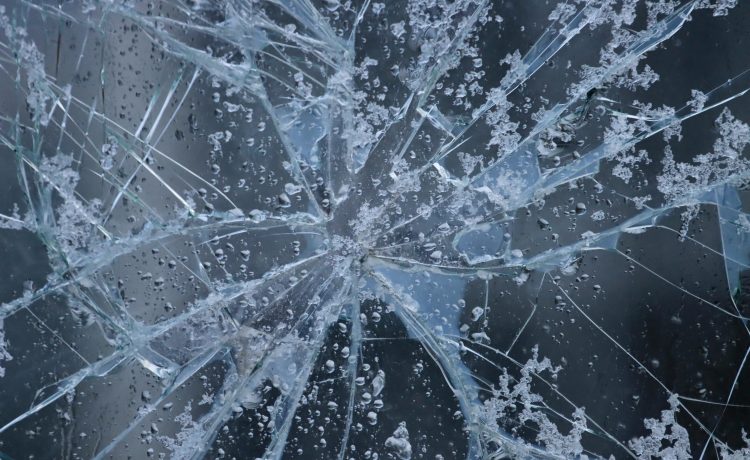
- Long cracks or spiderweb patterns: Often will need replacement
All types have different responses to repair procedures and thus correct identification can be used to identify the correct solution.
Step 5: Look for Multiple Damages
A single chip or crack is often fixable. Nonetheless, there are several broken spots, which lower the overall strength of the windshield.
- A chip or two: It may be repaired.
- Three or more points of destruction: It is better to replace.
Replacement is a safer option than multiple repairs which may compromise clarity and structural integrity.
Step 6: Take into account Contamination and Age
Time is of the essence to most drivers.
- New damage: Can be easily repaired
- Damage that is old and contains dirt or moisture: More difficult or impossible to repair
Repair resin needs to bond effectively, which is hindered by contaminants, decreasing the efficacy of the repair. When you do not repair a chip in time, it might become a crack which will need a complete replacement.
Step 7: Watch for Spreading Cracks
Cracks tend to grow due to:
- Temperature changes
- Road vibrations
- Moisture exposure
If you notice the crack spreading, don’t wait. What could have been a simple repair may quickly become a full replacement.
Step 8: Understand Technology and Safety Features
Advanced Driver Assistance Systems (ADAS), including lane departure warnings and automatic braking are frequently available in modern vehicles. These are based on cameras located close to the windshield. Where the damage is close to these sensors, then they normally need replacement to ensure that the sensors are well calibrated and able to perform safely.
Cost Considerations
The cost will tend to dictate your choice. Repairs are usually fast and cheap whereas replacing them is time-consuming and costly. Nevertheless, it is not necessarily the safest to select the less expensive one. If you’re unsure about expenses, you can review detailed insights on windshield replacement costs to better understand what to expect.
End Note
When you are aware of what to look at, it is not hard to assess the damage to the windshield. Pay attention to size, location, depth, and severity and make a wise choice. A timely decision can save a lot of money at times between a mere repair and an expensive replacement. In case of uncertainty, seek advice of a professional technician. They are in a position to assess the damage correctly and suggest the safest alternative hence you can drive without any fear and worry.