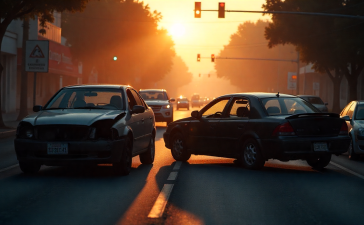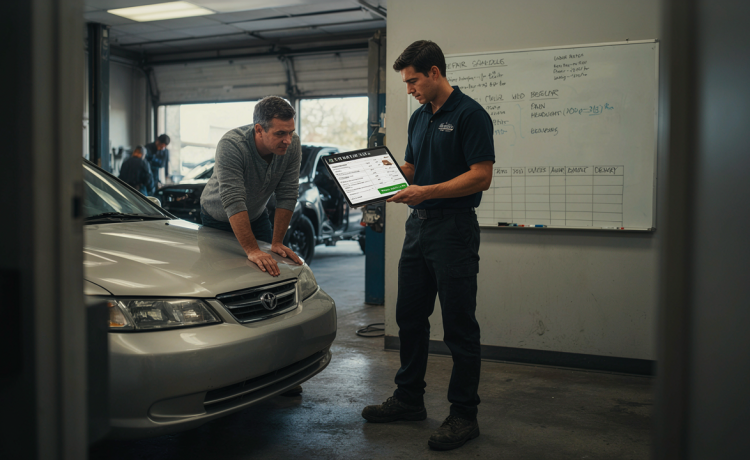
After a car accident, you may get a repair estimate that is several pages long.
It can list parts, labor hours, paint costs, scans, and other charges you may not recognize. At the bottom, you see one large number.
So, what are you actually paying for?
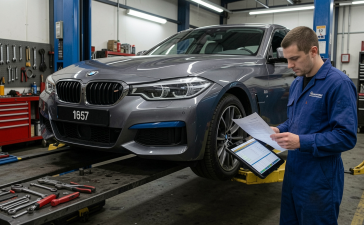
A collision repair estimate is a plan for fixing the damage found during the first inspection. It shows what parts may need repair or replacement, how much work is needed, and what other services may be part of the job.
Here is what you will usually find on one.
Your Vehicle Information
The first part of the estimate usually has basic information about your vehicle.
This may include:
- Your vehicle’s year, make, and model
- The VIN
- Mileage
- Insurance claim information
- The shop or estimator’s information
This information matters because two cars that look almost the same may have different parts.
One vehicle may have parking sensors, cameras, radar, or other safety systems that another version does not have.
Those features can change how the car needs to be repaired.
Repairing a Part vs Replacing It
A large part of the estimate lists what the shop plans to do with each damaged area.
Some parts can be repaired.
Others need to be replaced.
For example, a small dent in a fender may be repaired instead of replacing the entire fender. A bumper that is badly cracked may need to be replaced.
You may also see terms such as “remove and install.”
That often means the shop needs to take a part off to reach the damaged area, then put the same part back on afterward.
A headlight, trim piece, door handle, or bumper may need to come off even when that part itself is not damaged.
This is why an estimate can contain many lines for what seems like one damaged area.
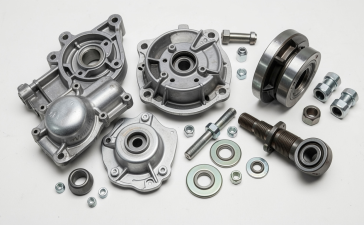
Replacement Parts
If a part cannot be repaired, the estimate may list a replacement.
There are several types of replacement parts.
OEM parts come from the vehicle manufacturer or its approved parts network.
Aftermarket parts are made by another company.
Recycled parts are original parts taken from another vehicle.
Remanufactured parts are used parts that have been rebuilt or restored.
Your estimate may show which type of part the shop plans to use.
This is worth checking because two estimates may have very different prices based on the parts being used.
If you are not sure what a part code means, ask the shop.
A good repair shop should be able to tell you what part is being used and why.
Body Labor
Labor is another major part of a collision estimate.
The shop may charge for time spent repairing dents, removing damaged parts, installing new parts, checking the structure of the vehicle, or getting areas ready for paint.
The estimate usually shows a number of labor hours next to each job.
For example, repairing a damaged door may have one labor amount, while replacing and setting up a bumper may have another.
Labor hours on an estimate do not always mean the technician will spend that exact amount of clock time on the car.
Repair estimating systems use set labor times for many common jobs.
The shop then uses those times to help work out the cost of the repair.
Paint and Materials
Fixing the shape of a damaged panel is only part of the job.
The panel also needs to look right when the repair is finished.
That may include sanding, primer, paint, clear coat, and other materials.
Paint work may appear as its own part of the estimate.
Matching automotive paint can also take more work than many drivers expect.
A factory paint code gives the shop a starting point, but paint can change slightly as a vehicle gets older.
Sun, weather, past repairs, and small factory color differences can all affect the final match.
Sometimes the shop may need to blend color into a nearby panel so the repair does not stand out.
For example, if a front fender is painted, some color may also be blended into the door next to it.
Hidden Damage
The first estimate may not show every damaged part.
That is normal after many accidents.
A bumper can look like it only has scratches on the outside while parts behind it are bent or broken.
The same can happen with brackets, supports, wiring, sensors, and parts of the vehicle’s structure.
A shop usually cannot see all of this until some parts have been removed.
This is one reason shops like One Stop Auto Body & Paint in Phoenix, AZ may need to inspect areas behind damaged panels before the full repair plan is clear.
Hidden damage is also why the first estimate and the final repair cost are not always the same.
What Is a Supplement?
If the shop finds more accident damage after taking the vehicle apart, it may create a supplement.
A supplement is an update to the first estimate.
For example, the first inspection may show a damaged rear bumper.
Once the bumper is removed, the shop may find that the support behind it is also damaged.
That extra repair can then be added to the estimate.
For an insurance claim, the shop will usually document the new damage and send the information to the insurance company for review.
A supplement does not automatically mean someone made a mistake on the first estimate.
Some damage simply cannot be seen until the vehicle is taken apart.
Diagnostic Scans
Cars now have far more computers and electronics than they did years ago.
Even a fairly small accident can affect electronic systems.
A modern vehicle may have cameras, parking sensors, radar, airbags, blind spot systems, steering sensors, and other safety equipment.
Because of this, the shop may need to scan the vehicle’s computer systems.
According to I CAR repair guidance, a scan before repairs can help find stored trouble codes and problems that may not be easy to see.
A scan after the repair can help check that the vehicle’s systems are working correctly.
You may see these scans listed as separate items on the estimate.
Safety System Calibration
Calibration is different from a scan.
A scan checks the vehicle’s computer systems for information and trouble codes.
Calibration sets certain cameras, radar units, or sensors so they work in the correct position.
This can be needed after some bumper repairs, windshield replacements, suspension work, wheel alignment, or repairs near safety sensors.
Not every vehicle needs calibration after every accident.
The shop should follow the repair information for that vehicle to find out what is needed.
If calibration is listed on your estimate, ask which system needs it and why.
Outside Services
Sometimes the body shop needs help from another company.
You may see this listed as outside work or sublet work.
This could include glass replacement, wheel repairs, towing, special mechanical work, or certain electronic services.
The collision shop may still manage the job even when another company performs that one part of the repair.
Your Deductible
If insurance is paying for the repair, the full repair cost is not always the amount you personally have to pay.
For example, the total repair may cost $4,500.
If your insurance policy has a $500 deductible, you may be responsible for that $500 while insurance covers the rest, based on your policy and claim.
Your estimate may show the total repair cost, your deductible, and the amount the insurance company expects to pay.
If these numbers do not make sense, ask before the repair starts.
Why Two Estimates Can Be Different
It is normal for two collision shops to give estimates that are not exactly the same.
One shop may plan to repair a part that another shop wants to replace.
They may use different types of parts.
One estimate may include scans or calibration that another estimate does not list yet.
Labor rates can also be different.
This is why choosing a shop based only on the lowest total price may not tell you much.
Look at what each estimate actually includes.
A $3,000 estimate and a $4,000 estimate may not be describing the same repair.
Questions to Ask About Your Estimate
You do not need to understand every code on the page.
You should understand the basic repair plan.
Ask which parts will be repaired and which will be replaced.
Ask what type of replacement parts will be used.
Ask if paint blending will be needed.
Ask whether your vehicle needs computer scans or safety system calibration.
You can also ask what happens if the shop finds more damage after taking the vehicle apart.
These simple questions can tell you much more than looking at the final price alone.
What the Estimate Really Tells You
A collision repair estimate is not just a bill.
It is a list of the work the shop believes your vehicle needs based on what can be seen and tested at that time.
It may include body repairs, replacement parts, labor, paint, materials, computer scans, calibration, outside services, and insurance information.
The estimate may also change if hidden damage is found during the repair.
The best thing you can do is read the main parts of the estimate and ask questions when something does not make sense.
You do not need to be a collision repair expert.
You just need to know what is being fixed, what parts are being used, and why the work is needed.