Volkswagen is taking a fresh look at bringing mainstream Golf models back to North America, a move tied to upcoming production changes and shifting consumer habits. If plans advance, buyers in the United States and Canada could once again find non-performance versions of the hatchback in dealer showrooms.
The discussion is linked to a major manufacturing transition. Starting in 2027, Volkswagen plans to transfer Golf production from Wolfsburg to Puebla, Mexico. Once assembly moves closer to the North American market, the financial argument for offering additional Golf variants becomes stronger.
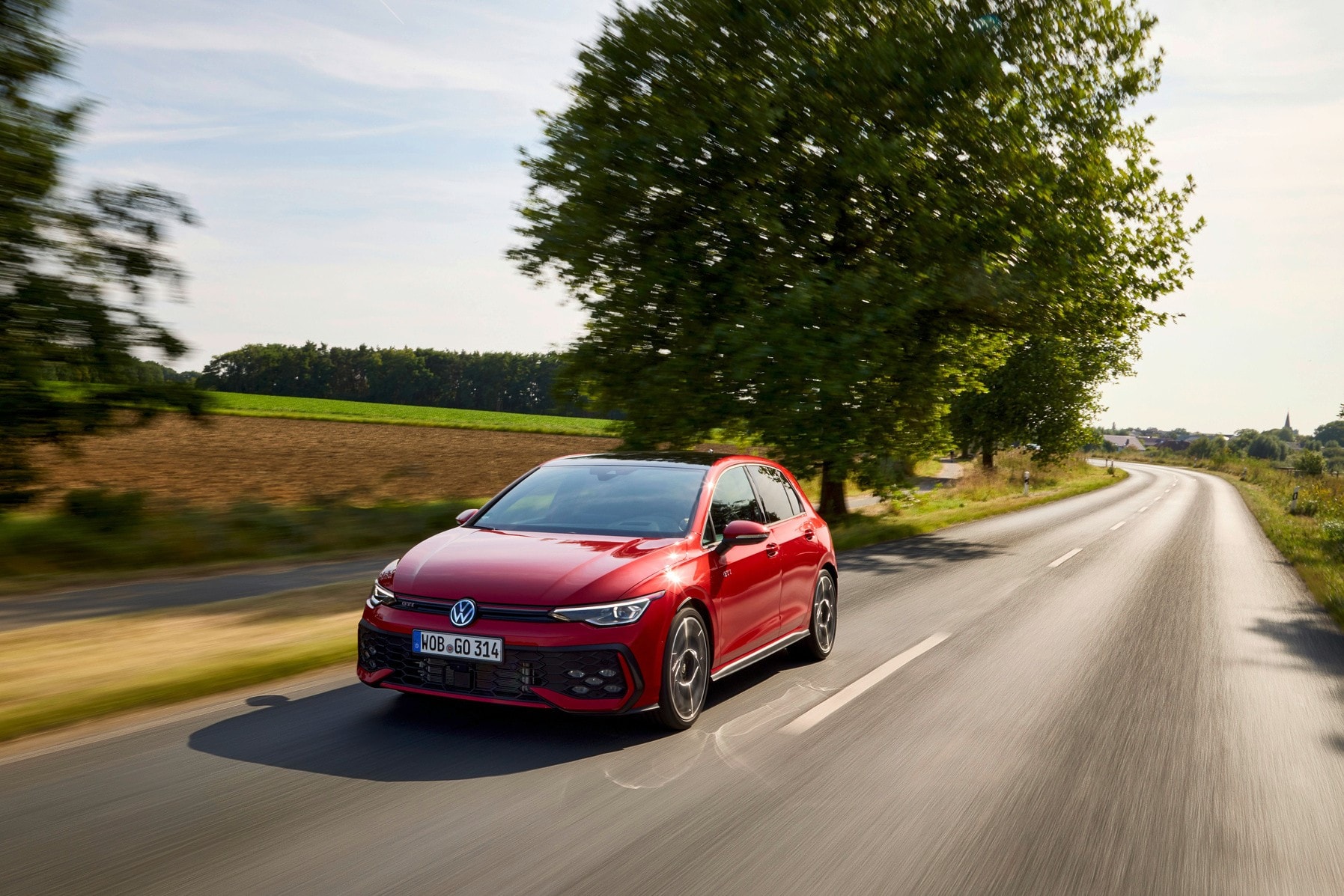
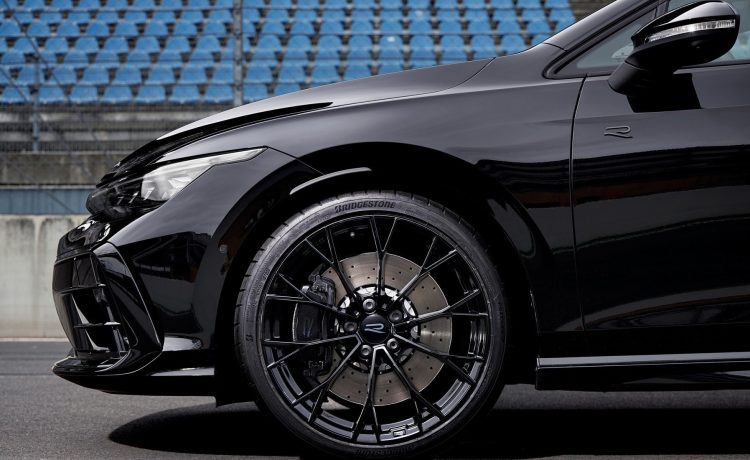
American buyers lost access to the regular Golf after the 2021 model year. Since then, the nameplate has remained available mainly through the higher-performance GTI and Golf R models. Volkswagen is now studying whether changing market conditions support the return of lower-priced trims.
One factor drawing attention inside the company is the growing burden of sport utility vehicle and truck ownership costs. Fuel prices continue to influence purchasing decisions, and Volkswagen executives believe efficient compact hatchbacks could regain some ground.
Serban Boldea, Volkswagen of America’s head of product planning, told Autoblog that rising fuel costs may steer buyers toward economical C-segment hatchbacks. Boldea and his team view fuel prices as an important variable when assessing future demand for affordable transportation.
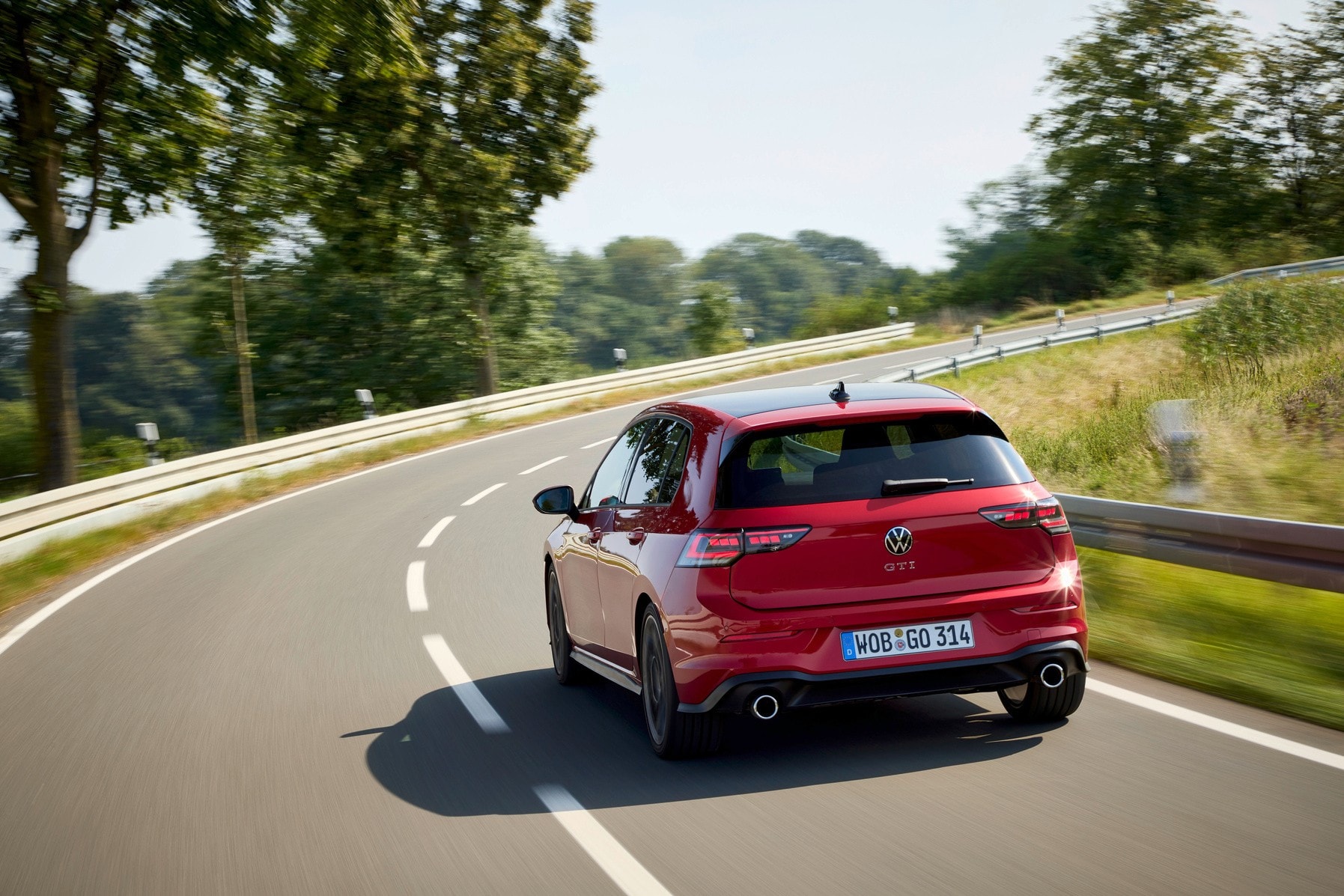
The Puebla plant already plays a central role in Volkswagen’s regional operations. The facility builds the Tiguan and Taos crossovers for North America. Both versions of the Jetta also come from Puebla. Equally important, the factory has prior experience producing Golf models for this market.
Economics still represent the biggest hurdle. Trade policy and import tariffs continue to shape Volkswagen’s strategy. The company acknowledges that heavy duties could make a basic Golf difficult to justify financially in the United States. Demand, regulatory requirements, production expenses, and trade conditions will all influence the final outcome.
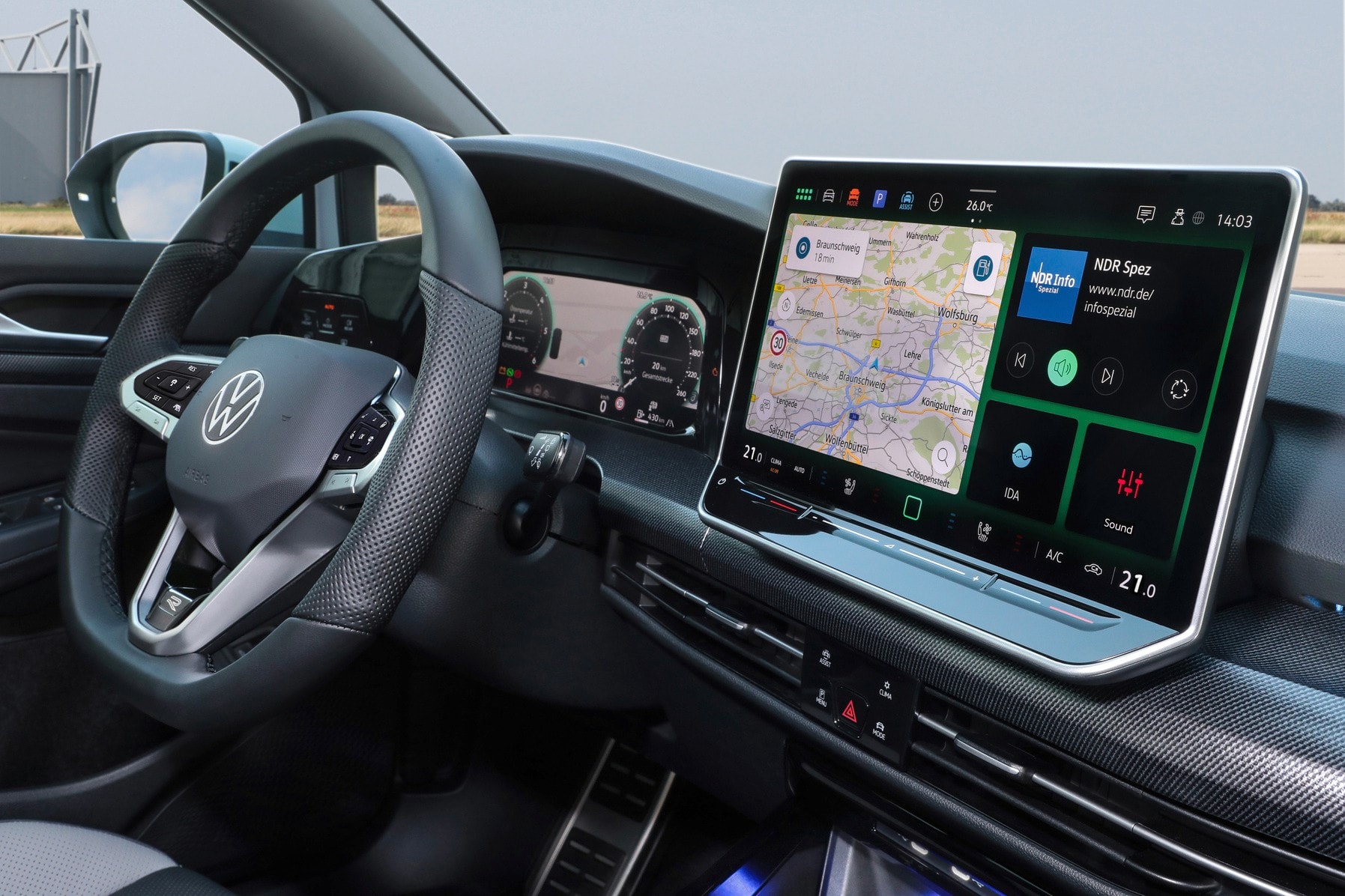
The timing aligns with broader changes planned for the Golf family. Volkswagen has already confirmed that the current generation will be the last one developed entirely around internal-combustion engines. Beginning with the ninth-generation model, the ID. Golf will exist alongside a gasoline-powered Golf as part of the company’s electrification roadmap.
Meanwhile, Europe is preparing for a greater emphasis on fully electric vehicles. Volkswagen therefore sees value in extending the life of the Mk8.5. Rather than creating an entirely new architecture and fresh engine range, the company is investing heavily in electrified technologies, including a self-charging hybrid system intended for the European-market Golf.
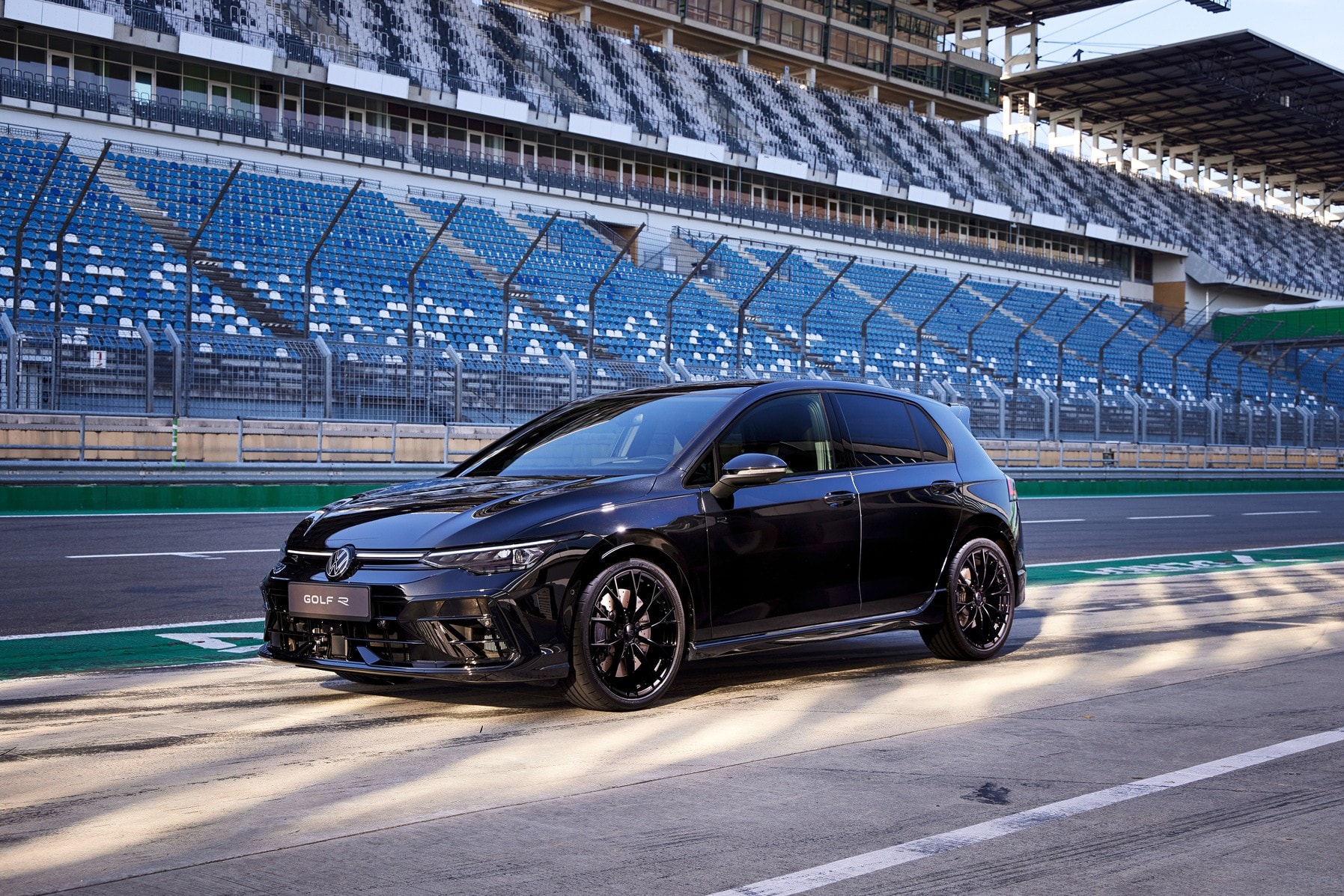
That hybrid setup is based on a 1.5-liter TSI engine. Volkswagen says the system combines an electric drive motor with an electric generator motor. Unlike Toyota’s planetary power split arrangement, the Golf and T-Roc full-hybrid models follow an approach closer to Honda’s e: HEV series-parallel concept.
If standard Golf models return to North America, Volkswagen is not expected to offer Euro-market diesels or plug-in hybrids. The company would instead rely on engine families already certified and federalized for sale in the region.