FORT WORTH, Texas — Most drivers know their phones track a lot about them. Fewer realize their car does too. Tucked under the driver’s seat or inside the center console of nearly every vehicle built after 2014 sits a small device called an event data recorder, or EDR. Drivers call it a black box, the same nickname given to the recorders used on airplanes.
This little device does not record your daily commute or listen to your conversations. Instead, it wakes up when something dramatic happens, like slamming on the brakes or getting hit from behind. Then it saves a short burst of data from just before, during, and after the event. That burst can include your speed, whether you hit the brakes, how fast the airbags deployed, and whether your seatbelt was buckled.
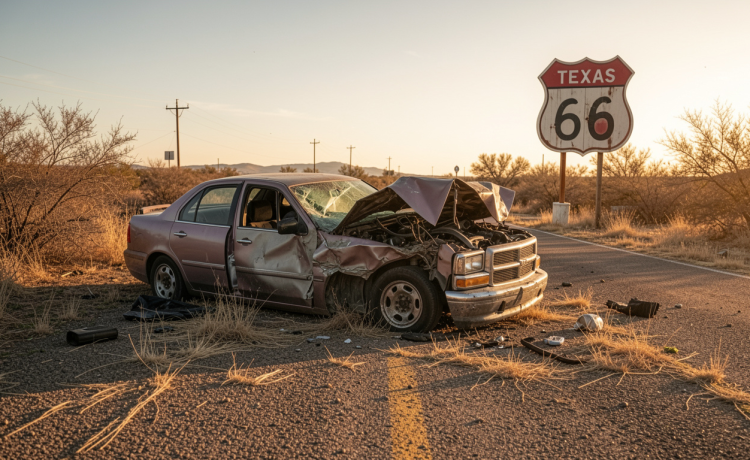
For most people, this technology stays invisible for the life of the car. But after a crash, it can suddenly matter a great deal. And that is where things get complicated for everyday drivers.
Why This Data Matters More Than People Think
When a crash happens, insurance adjusters do not just take your word for it, and they do not just take the other driver’s word either. They look for hard numbers. Black box data gives them exactly that. It can show precisely how fast a car was traveling three seconds before impact, or whether the brakes were engaged half a second too late.
This sounds like a win for accuracy. In many cases, it is. Black box data has cleared drivers who were wrongly blamed for a crash. It has also confirmed fault when someone tried to shift blame after the fact.
However, there is a catch that catches a lot of accident victims off guard. Insurance companies often have faster access to this data than the people they are insuring. Adjusters can request a download soon after a wreck, sometimes before an injured driver has even left the hospital. If that data gets pulled, interpreted, and used to build a settlement offer before the other side has a chance to review it, the numbers can end up working against the person who was hurt.
This is one reason legal guidance early on can make a real difference. Texas crash victims who consult an attorney soon after an accident, such as Bailey and Galyen Fort Worth, often have a better shot at getting their own independent review of that data before an insurer’s version becomes the only version on record.
A lawyer can also send a preservation letter, which legally requires the vehicle and its data to be kept intact rather than repaired, sold, or scrapped before anyone else gets to look at it.
The Numbers Are Not Always the Whole Story
Here is something that surprises a lot of people. Black box data is not perfect. It captures a narrow slice of time, often just five to twenty seconds around the crash. It does not know why a driver swerved, whether a pothole caused a sudden brake, or whether another car ran a red light seconds earlier. Numbers without context can paint a misleading picture.
This is similar to the kind of gray area drivers run into with everyday vehicle problems. When it comes to sorting out liability and insurance coverage after larger wrecks, multiple parties and layers of coverage can make fault far harder to pin down than a single data point suggests. The same principle applies here. A black box can tell you what a car did. It cannot always tell you why.
Retrieving the data itself is not simple either. It usually requires a special tool, and depending on the make and model, hiring a specialist to extract and translate it can cost anywhere from a few hundred to a couple thousand dollars. Because of that cost and complexity, not every fender bender gets this kind of scrutiny. It tends to show up in more serious crashes, especially ones involving injuries or disputed fault.
What Drivers Can Actually Do About It
The good news is that a driver is not powerless here. A few simple habits can protect your interests if you are ever in a serious wreck.
First, do not let your vehicle get repaired or sold too quickly after a significant crash if fault is unclear. Once a car is fixed or scrapped, the black box data can be lost for good.
Second, ask questions before signing anything an insurance company sends over. Some release forms include language that gives an insurer broad access to your vehicle’s data. Reading the fine print, or having someone else read it for you, matters.
Third, know that this data cuts both ways. According to research summarized by Consumer Reports, the National Highway Traffic Safety Administration has pushed to standardize how this data is collected and accessed across manufacturers, precisely because the process has historically varied so much from one carmaker to the next. That inconsistency is part of why an independent review, rather than relying solely on the insurer’s read of the numbers, tends to serve accident victims better. Cars keep getting smarter, and the data they generate keeps growing right along with them. A black box the size of a deck of cards can end up shaping how a six-figure injury claim gets resolved. For Texas drivers, understanding that this technology exists, and that it does not automatically work in your favor, is a small piece of knowledge that can carry a lot of weight after a hard hit on the highway.