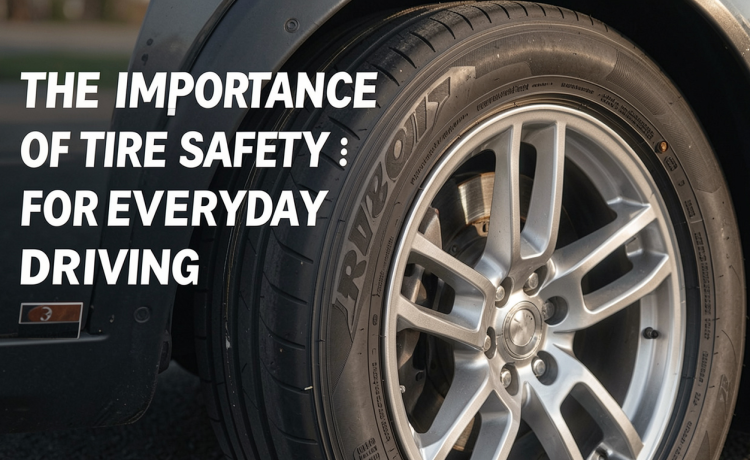
The tires are essential safety elements of any vehicle, however they are among the parts ignored by car garage owners when they work their cars. They are the sole component of the vehicle that comes in direct contact with the ground and play a crucial role in various functions, such as steering, braking, and maintaining stability. Tired technology can’t do its job if tires are worn down, under-inflated, or damaged.
Just like buses, tires make a world of difference in making driving easier, comfortable, efficient and effective in all weather. However, if it’s not properly cared for, there could be accidents, blowouts, and handling issues. Many issues with tires can occur over time, so it’s crucial to check and maintain them regularly. Knowing the significance of the Tires’ everyday driving, the drivers can keep their passengers safe in the vehicle, as well as have the vehicle out of danger, and ensure their safety on the road.
Proper Tire Pressure Improves Vehicle Control
Perhaps the most important and simplest safety consideration of tires is adequate tire pressure. Underinflated or overinflated tires will affect how a vehicle performs during normal driving. Low tire pressure increases friction on the road, causing heat to build up and increasing the risk of blowouts. An excessive amount of air reduces traction and could impact braking.
According to Chopin Law Firm, a group of New Orleans car accident lawyers, “Correct tire pressure improves steering response, stability, and overall vehicle control. It also helps tires wear more evenly, extending their lifespan and improving fuel efficiency. Drivers should regularly check tire pressure, especially before long trips or during seasonal weather changes.”
Maintaining a correct tire pressure ensures that the vehicle can operate safely and predictably, providing the driver with greater confidence and control while driving the car on a daily basis.
Worn Tires Reduce Road Traction
Treads are important components in the tyre that contribute greatly to grip. Over time, the tires become less sticky, and on slippery or wet road surfaces, they won’t be able to hold as tightly to the road. This makes skidding and loss of control of a motor vehicle more likely.
The aggressive treads are deeper and will improve the evacuation of water from the tyre surface and maintain tyre stability in wet conditions, which will decrease the stopping distance. If a tire has worn down, it will find it difficult to maintain grip and traction on roads and can more easily skid or lose traction when going around corners fast or braking quickly.
Checking the tread of your tires is an important precaution that drivers can take to avoid safety hazards. The handling and braking capabilities of the vehicle, and the safety of the road in various driving scenarios, can be enhanced by timely change of tires.
Tire Rotation Helps Prevent Uneven Wear
The various components of the vehicle exert varying amounts of pressure on the tires as well as different motions, causing uneven wear. For example, front tires are likely to wear out faster due to steering and braking demands. Rotating tires helps even out the wear and tear on all four tires.
By rotating tires, you can help them last longer and avoid uneven wear patterns. Asymmetrical wear in tires can result in vibrations, loss of grip, and diminished steering response. Dry spots may also result in lower fuel economy.
Rotation is important because it can help extend the life of your tires, keeping them functioning at their best and driving safely. This is an easy process that can make all tires work their best, ultimately resulting in a smoother driving experience and efficient grip on the road.
Seasonal Conditions Affect Tire Performance
In some ways, it is the weather that wreaks havoc on tires during the seasons. They can wear out in high temperature, become stiff and less flexible in low temperatures, and lose grip on the road. Other conditions can include rain, snow and ice, which also present challenges and require predictable tyre performance.
Seasonal tires offer a better grip and stability. For example, winter tires are engineered with patterns and rubber compounds that are deeper and softer to cope with icy roads. All-season tires are OK in mild climates, but may pose an issue in extreme weather.
Seasons play a key role in the impact on tires and knowing this is a driver’s key to safety year round. Drivers can optimize their choice and driving behaviors for different weather conditions and improve their comfort and confidence on road.
Tire Alignment Protects Driving Stability
Wheel alignment has an impact on tire contact with road and how a vehicle responds during driving. Misalignment can cause the vehicle to pull to one side, loss of steering control and unequal tire wear. These come with a number of problems that can quickly wear tires, as well as make driving more difficult and unsafe.
When the owner of the vehicle can feel a vibration or the steering wheel pings, or once the car is driven around the tracks left by the wheels, the problem should be noticed. Covers are applied to tires for weather protection; alignment is checked regularly to ensure they are properly positioned for balance, handling, and better control.
The correct alignment will help your vehicle or truck to better roll forward and reduce fuel consumption, as well as extend the lifespan of tyres. It also has a positive impact on driving stability in the event of a turn, braking and during unforeseen situations – making driving safer and more predictable by day.
Damaged Tires Increase the Risk of Blowouts
Tires are extremely important, and minor damage can escalate into a serious problem if not addressed. Tires that are cracked, have punctures or bulges, or have exposed cords, can blow out during operation and compromise tire integrity. If a tire fails at a high speed, it could lead to a severe accident as the driver may suddenly lose control of the vehicle.
Tires can be damaged by road debris, potholes and curbs. Visual inspections will be performed regularly, and enabling checks by the drivers to be undertaken before they become serious. Damage should be repaired/replaced as soon as possible by a professional.
Safe tires assure that the performance is constant and that there are no unexpected failures. Promptly fixing damage – the first time it is noticed – help ensure passenger safety, vehicle reliability, and prevention of potentially dangerous conditions on roadways and highways.
Regular Tire Maintenance Supports Overall Safety
Tire maintenance is an important aspect of vehicle maintenance, and it’s necessary for vehicles to be able to function safely every day. Common driving dangers can be prevented by simple actions, such as checking your pressure, depth of your treads, rotating tires, and scheduling alignments.
Lessons learned from good tires include improved braking, steering, fuel economy, and ride comfort… plus the ability to prevent accidents. If left unmaintained, drivers may end up paying more for their tires in maintenance costs, and besides that, they may find the performance of their vehicle dropping, and safety may be jeopardized.
Having a well-maintained routine also provides peace of mind during long journeys, poor weather, and in case of an emergency. Because tires are directly linked to almost all aspects of vehicle handling, proper care is one of the most astute measures that can be taken to enhance driving safety and road confidence daily.