There are a variety of costs associated with owning a car, and fuel and maintenance are not the only ones. Most motorists are aware that they must pay for inspections, fluids, and such as tire rotation and oil change, but unexpected mechanical issues can be one of the most costly aspects of owning a vehicle. The expense of repairing the transmission, air conditioning compressor or electronic component can cost hundreds or thousands of dollars if it goes wrong.
There’s no guaranteed method to not requiring an unforeseen repair, but there are strategies you can take to make it less likely to occur and less likely to cost you a considerable amount of money. From following the manufacturer’s maintenance schedule to understanding warranty coverage and considering a motor vehicle protection plan, taking a proactive approach can help drivers avoid unnecessary stress and expense.
Follow Your Vehicle’s Maintenance Schedule
The best way to minimize the potential for costly service is to adhere to the service intervals outlined by the manufacturer. All vehicles have service schedules that are based on maintaining critical systems in good condition and working order throughout the service life of the vehicle.
Routine maintenance commonly includes:
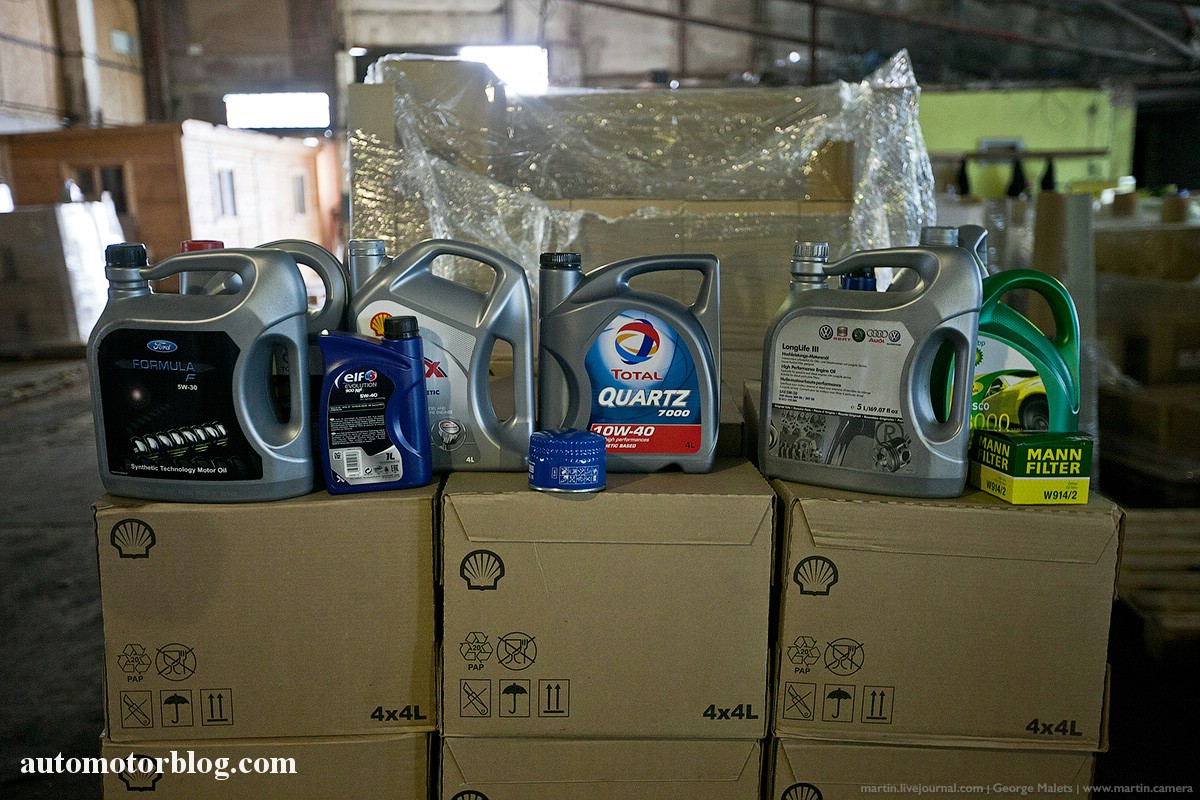
- Oil and filter changes
- Tire rotations
- Brake inspections
- Air filter replacement
- Coolant replacement
- Transmission fluid service when recommended
- Spark plug replacement
- Battery inspections
Failure to schedule maintenance can lead to increased wear on critical components. Oil changes, for instance, can take care of the lubrication needed in the engine, while cooling system services can prevent overheating, a leading cause of severe engine damage.
Maintenance also helps to establish a record of servicing, which can help to enhance the resale value and may be required in the event of any warranty issues.
Pay Attention to Warning Signs
In a vehicle, there are many times that in advance of a big failure, there are also some signs. Small problems were often easier and less costly to fix than when they became big problems.
Common warning signs include:
- Dashboard warning lights
- Unusual engine noises
- Vibrations while driving
- Difficulty shifting gears
- Fluid leaks
- Burning smells
- Reduced fuel economy
- Changes in steering or braking performance
For instance, if brake pads are worn, but not completely, they can be replaced to avoid the cost of replacing the brake rotors.
If warning lights or noises are ignored then what may be a minor repair can escalate into a much more expensive mechanical failure.
Understand What Your Factory Warranty Covers
Many new vehicles come with a manufacturer’s warranty that will be effective for a certain length of time or a set number of miles for problems with materials or workmanship.
Factory warranties often include:
- Basic bumper to bumper coverage
- Powertrain coverage
- Corrosion protection
- Emissions related components in accordance with applicable regulations
The amount of coverage depends on the manufacturer and normal wear items like brake pads, tires, windshield wipers, and maintenance services are usually not covered.
When the warranty is about to expire, you can make plans for the added burden of owning a car beyond its warrantied period.
Records and warranties are also useful for easy repair claims in the future.
Build an Emergency Repair Fund
Even though your car is in good condition, it can break down at an unexpected time.
Having a separate fund for auto repairs can ease the financial burden if a big repair is needed.
A lot of financial advisors suggest having an emergency fund for unpredictable spending, and car repairs are among the most frequent.
The amount needed depends on factors such as:
- Vehicle age
- Mileage
- Reliability history
- Repair costs for the specific make and model
For older vehicles, it can be advantageous to have a higher reserve since old parts tend to wear out over time.
Research Vehicle Reliability Before Buying
A lot of the time, unplanned repair costs start with the car’s price tag.
Long-term reliability information can provide invaluable information on expected costs of ownership before purchasing a new or used vehicle.
Independent car organizations conduct reliability studies on a regular basis that are done by gathering data from owner surveys and data on repairs. When considering ownership costs beyond the purchase price of an item, maintenance histories, frequency of repairs and parts availability can all help to give a more accurate picture.
However, there are some vehicles that may be a little cheaper at the start but more expensive to maintain as they get older.
Opt for a model known for its reliability, which can minimize the risk of major repairs throughout its lifespan.
Keep Detailed Service Records
Accurate service records are a benefit to both present and future homeowners.
Documentation should include:
- Maintenance dates
- Mileage
- Repair invoices
- Parts replaced
- Inspection reports
These documents enable mechanics to more efficiently determine a recurring problem and prove that suggested maintenance has been performed.
Complete auto maintenance records can help assure a potential purchaser of your vehicle’s condition, and aid resale value in the event of a future sale.
Address Small Repairs Quickly
Many costly repairs start out as fairly low-priced issues.
Examples include:
- Small leak in coolant that progresses to engine overheating
- A worn suspension component that is resulting in unequal tire wear
- Some transmission leaks that cause damage to the transmission
- Battery charging problems resulting in alternator failure
Addressing these problems early can avoid other damage to other parts.
The longer a repair is postponed, the more labor may be required when the repair is finally needed since parts that have been affected by the problem are likely to have to be removed or replaced, rather than just the problem part.
Choose Qualified Repair Shops
The quality of repair work can affect the reliability of the vehicle as well as the costs for future repairs.
Drivers should seek repair shops that have trained technicians and provide the drivers a breakdown of the repair work that will be done before the job starts.
Before authorizing repairs, it is often helpful to:
- Have a written quote
- Inquire about replacement parts being original equipment or aftermarket
- Have knowledge of warranties for repair work
- Check customer reviews and reputation of the business
A good repair shop will be able to tell you why they need to do the repair, and answer questions about the work they’re doing.
Learn the Difference Between Insurance and Mechanical Protection
Many auto owners think that mechanical breakdowns are covered by their auto insurance policy.
In most instances, there are basic insurance plans that are available for the vehicle, which will take care of damages caused by collision, theft, weather, or liability claims.
Normal insurance policies generally don’t provide coverage for mechanical failures that are caused by normal use, aging, or worn-out parts.
This difference is more critical once the factory warranty has expired.
It is important for vehicle owners to know about the variety of protections available to them so they can make financial decisions.
When a Motor Vehicle Protection Plan May Be Worth Considering
After the terms of a manufacturer’s warranty have passed, the owner of the vehicle is responsible for repairs, unless other types of coverage are in effect.
Others opt for a motor vehicle protection plan to try to lessen the financial effect of covered mechanical repair work after they have expired the original warranty.
Specific coverage will depend on the provider and the agreement, but most policies will cover specific systems in the vehicle, like engine, transmission, drivetrain, steering, electrical, and air conditioning.
A motor vehicle protection plan can be particularly important for:
- Owners who intend to own a car for a long period of time
- Those whose vehicles are driven more frequently throughout the year
- Owners of used cars who no longer have a factory warranty
- Owners of vehicles that have expensive repair costs
- Owners who would like more predictable driving costs
Before buying a plan, it’s vital to check out what’s included.
Coverage details often differ regarding:
- Covered components
- Deductibles
- Exclusions
- Claim procedures
- Repair facility requirements
- Maximum coverage limits
By carefully reading the contract, it helps to make sure that expectations align with the coverage offered.
Do Not Ignore Tire Maintenance
Tires have a significant impact on safety and cost of operation.
Tires that are not properly maintained can lead to uneven wear, poor fuel economy, poor handling and greater suspension wear.
Drivers should regularly:
- Check tire pressure
- Rotate tires according to manufacturer recommendations
- Inspect tread depth
- Watch for uneven wear patterns
- Maintain proper wheel alignment
Tires that are getting worn out should also be replaced; this can help with braking and minimize the chance of tire-related problems.
Drive in Ways That Reduce Vehicle Wear
There are many vehicle components that are directly impacted by driving habits and therefore play a role in the vehicle’s life.
Smooth acceleration, slow deceleration, and not speeding up too much can help minimize strain on the engine, transmission, brakes and suspension.
Other good driving habits include:
- When necessary, avoid potholes
- Not overloading the vehicle to the extent of its rated ability
- Running the engine to warm it up in cold weather
- Using appropriate fuel grade if specified by the manufacturer
Gentle driving can also help to prevent wear and simultaneously improve fuel efficiency.
Stay Informed About Recalls
Vehicle manufacturers sometimes issue safety recalls for defects found.
Official recalls are typically done free of charge to the owner of the vehicle.
Regularly searching for recalls will help make sure that any necessary safety-relevant recalls are addressed quickly.
Car recall checks can usually be done by vehicle owners via the vehicle identification number in official manufacturer websites or government databases.
Recall repairs can also help to avoid potential future mechanical problems with known defects.
Compare Costs Before Approving Major Repairs
If you have a big repair coming up, it’s a good idea to get several estimates, which will help you to get a good sense of the total cost of the repairs.
Based on the condition of the vehicle and the availability of replacement components, various repair facilities may have different suggestions.
Estimates can help drivers to know:
- Labor costs
- Parts pricing
- Repair timelines
- Warranty coverage on completed work
Price is not the only consideration but it is important to know, if there are estimates from two or more repairers, if the repairs are needed, and fairly priced.
Final Thoughts
Car repairs can be expensive and are inevitable, but they don’t have to be a crippling blow to your finances. By adhering to the manufacturer’s maintenance schedules, being attuned to early signs of trouble, maintaining service records, and carefully driving, the incidence of expensive mechanical failures can be greatly diminished.
Knowing what your money is worth is all the more crucial as your car gets older and its factory warranties expire. Some owners find it enough to have an emergency repair fund. Some people may opt to choose a motor vehicle protection plan which better suits their financial position and long term motor vehicle ownership objectives. It is the right choice for the age of the vehicle, the anticipated repair prices, the driving routine and personal monetary preference.
No strategy can’t be guaranteed that a vehicle won’t need a major repair. However, with some knowledge, discipline, and planning, drivers can keep repair costs down and extend the lifespan of their vehicles.